China usually lives in the Western imagination wrapped in stereotypes, layers of fear and misinformation. But crossing the country over 28 nights, coming down from the ancient mountains of Hunan to the vertical cities and the tech hubs, is discovering one of the warmest, most vibrant and most sophisticated civilizations on the planet. A land where feeding someone is sacred, transport moves at unbelievable speeds and modern life happens entirely in the palm of your hand.
This notebook isn't just a diary of impressions: it brings together the practical itinerary of the 7 cities I lived in, the hotels I tested and approved, the tools to break through any tech barrier and the golden rules for traveling the country with complete independence.
1. The 7-city itinerary: 28 nights across the country
Traveling in China takes surgical planning for getting around. The country is continental in scale, and the best way to organize the route is to balance the calm of nature with the intensity of the megacities. Below is the actual chronological route of the trip, with how long I stayed and the essential notes for each stop.
| City & dates | Field notes & practical tips |
|---|---|
| 1. Chengdu 5 nights · Aug 31 to Sep 5 | Visiting the giant pandas. The conservation base is enormous: book the full package with internal transport in advance on Trip.com, because doing it all on foot is exhausting. Avoid the peak of summer in August, when the pandas hide away more because of the heat. Make the most of the street food and tea culture. |
| 2. Chongqing 3 nights · Sep 5 to Sep 8 | The vertical cyberpunk megacity. Night walks through the historic center of Jiefangbei and Hongyadong, packed with food stalls and chili smoke. A visit to ancient villages preserved among the skyscrapers. A deliciously chaotic city, unlike anywhere else in the world. |
| 3. Zhangjiajie 4 nights · Sep 8 to Sep 12 | The high point of the trip. Two full days in Wulingyuan National Forest Park, the real landscape that inspired the floating mountains in Avatar. Tianmen Mountain (Heaven's Gate) didn't make the cut because of time and physical exhaustion, but the sandstone pillars were the most unforgettable outing of the whole route. |
| 4. Fenghuang 4 nights · Sep 12 to Sep 16 | An ancient town preserved over the waters of the Tuojiang River. A perfect base to rest, walk the stone alleys and slow down. The historic core is quite touristy, but walking along the riverbanks and the non-touristy areas shows you the real daily life of local families. |
| 5. Shenzhen 3 nights · Sep 16 to Sep 19 | The future, now. Visiting friends, huge civic parks, spotless malls and the world's biggest hardware and electronics hub (Huaqiangbei). Excellent for buying gadgets and new tech. |
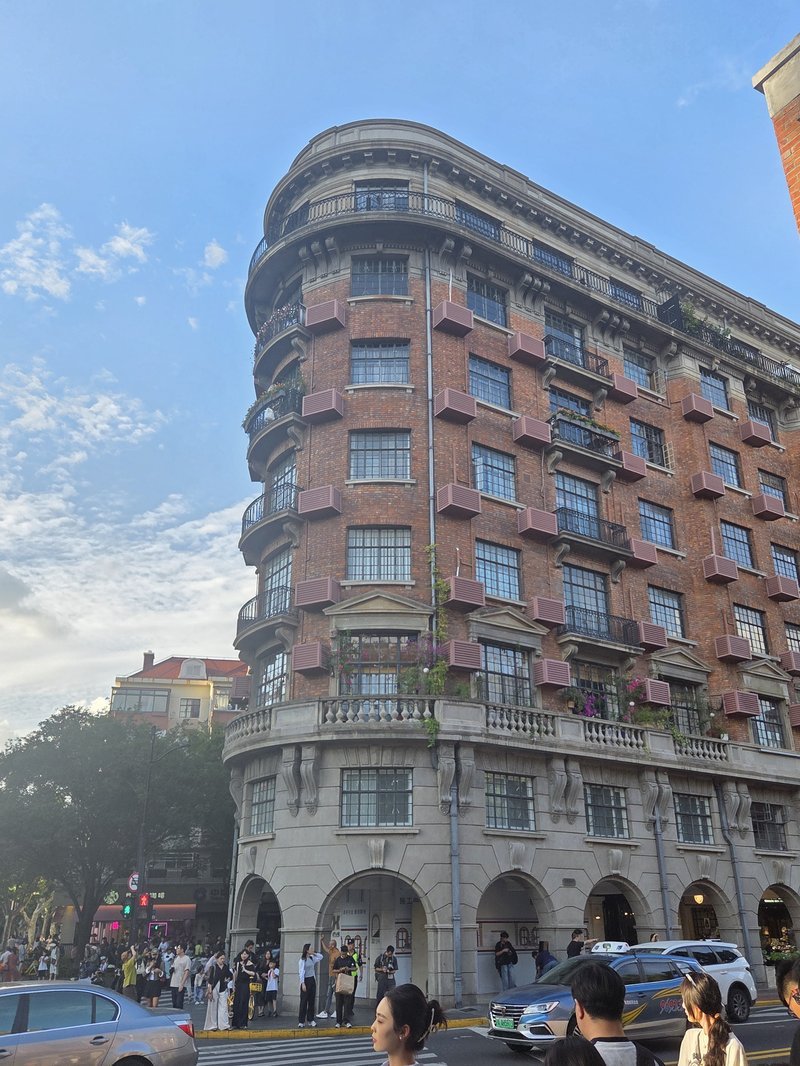
| 6. Shanghai 4 nights · Sep 19 to Sep 24 | Cosmopolitan, sophisticated and endless. The absolute highlight is walking the tree-lined avenues of the old French Concession, hunting for independent cafés and local fashion labels on Wukang Road (武康路), in Xuhui District. |
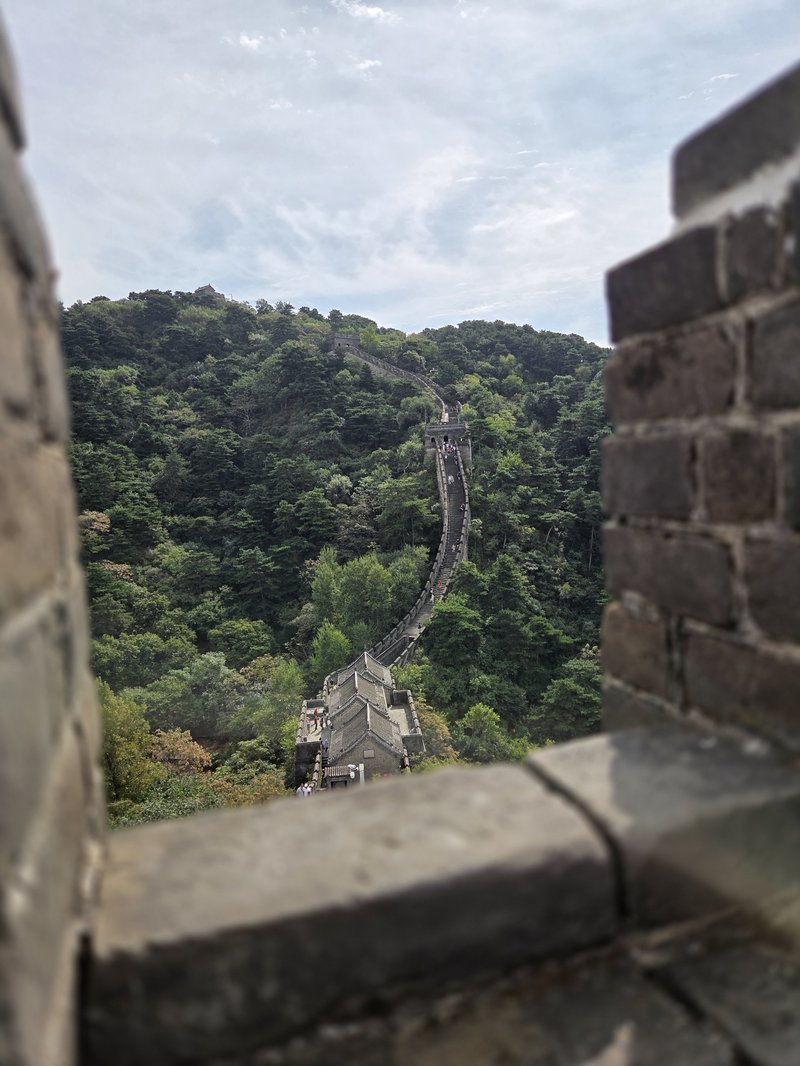
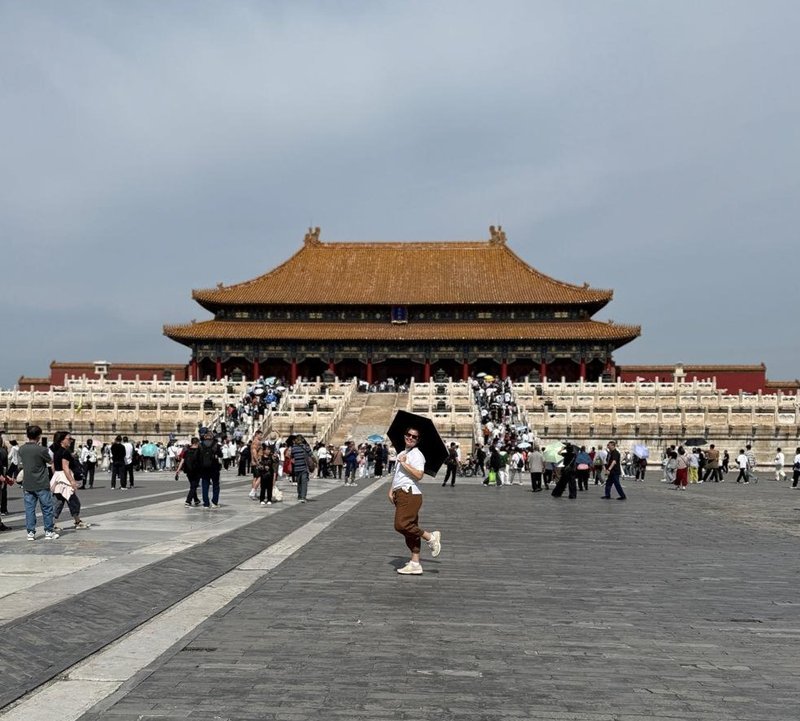
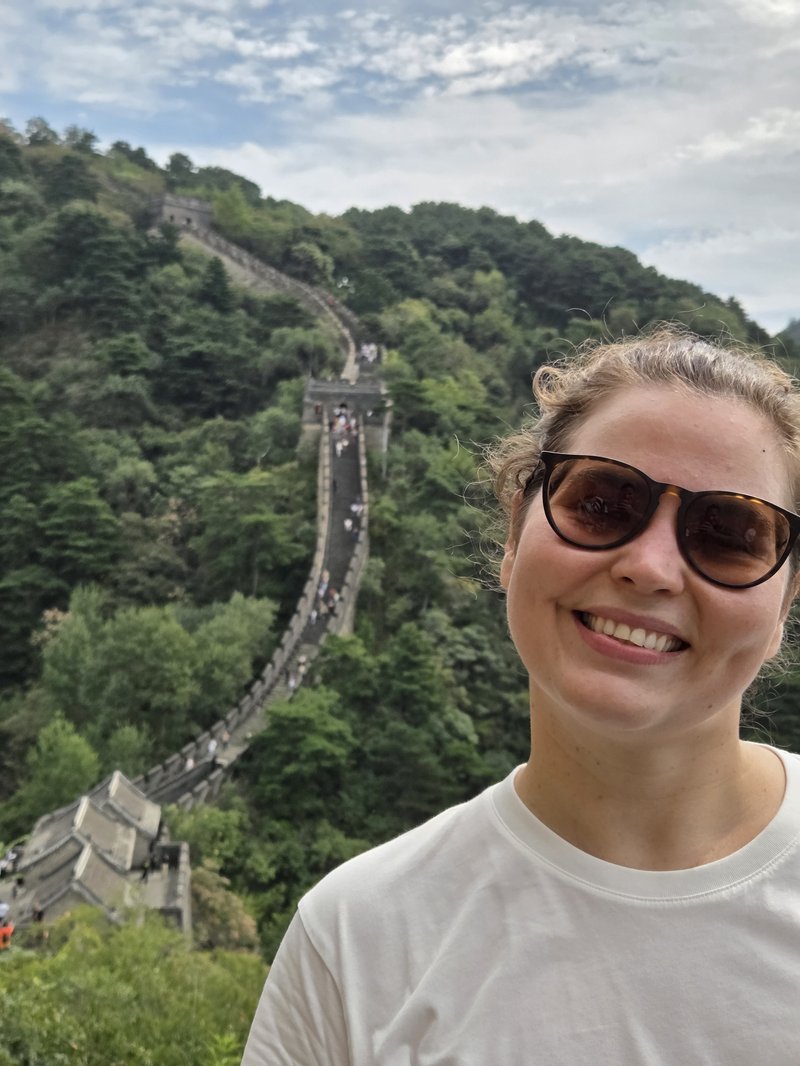
| 7. Beijing 5 nights · Sep 24 to Sep 29 | The monumental heart of China. The Forbidden City, historic squares and the Great Wall. The subway is efficient, but the city is gigantic: leave time for getting around. Walking the hutongs of the historic center lets you feel history alive in every brick. |
2. Before you go: the survival kit
China runs on its own digital ecosystem. You won't be able to use regular physical credit cards at street vendors, and with paper money, change is hard to come by. Following these three steps before you board is the difference between a frictionless trip and endless hassle.
Visa, entry and an airport transfer
As a Brazilian, I could enter under a visa-free policy for tourist stays of up to 30 days. Rules vary by passport, so check yours. Either way, keep your passport valid for at least six months and have proof of your flight and hotel bookings on hand for immigration.
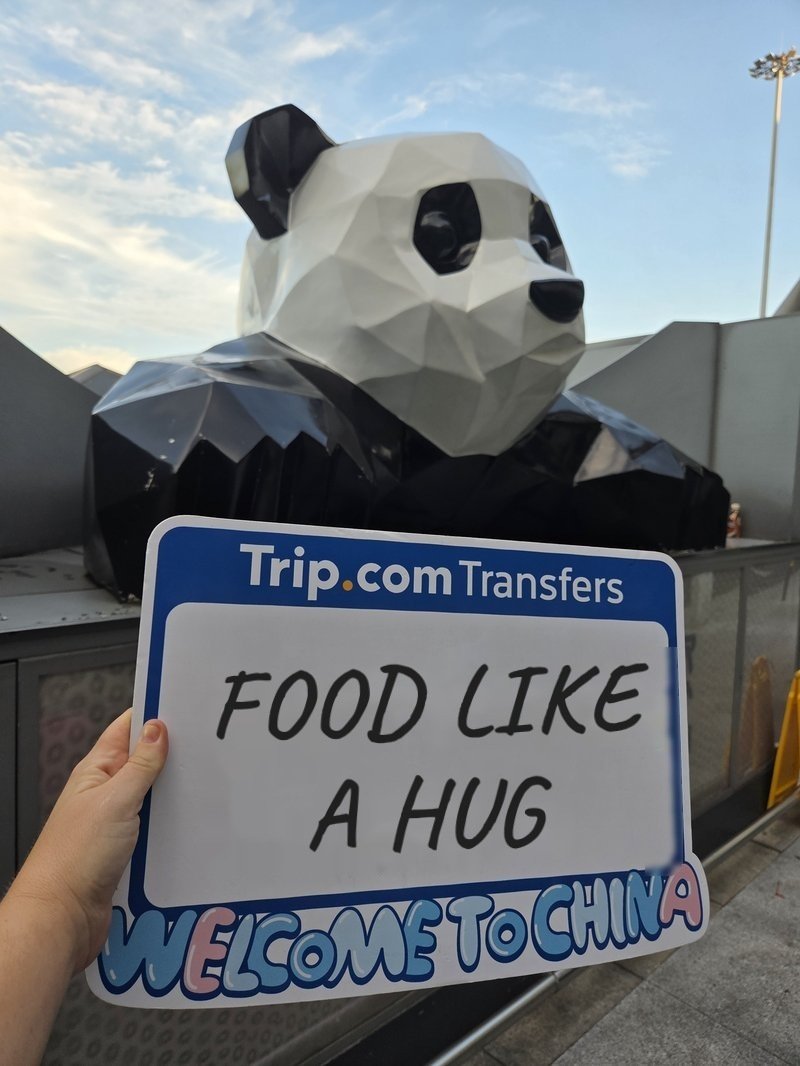
Golden tip for landing: after a flight across half the planet, with your body clock flipped and a language barrier, skip the strain of haggling over taxis without speaking Mandarin. Book a private, organized arrival transfer on Trip.com. The driver waits for you with a sign in the arrivals hall, and the destination is already in their system.
Alipay, WeChat and an eSIM before you fly
In China, even the man selling roasted corn on the sidewalk takes payment by QR code. To avoid getting stuck, do this homework before you leave home:
- Alipay and WeChat installed before you go: download both apps and link your international cards (Wise, Nomad or a regular card) 5 to 10 days before you board. The apps require a photo of your passport for anti-fraud verification, and that check can take a few days to clear.
- Unblocked internet (eSIM): local Wi-Fi blocks Google, WhatsApp, Instagram and Western social networks. Get an international Airalo eSIM before you leave. Roaming mobile data goes through the international tunnel and spares you unstable VPNs, keeping all your apps connected from the minute you land.
The golden rule: hotels that accept foreigners
By national law, every foreign traveler entering mainland China has to be registered by their hotel with the local police (Public Security Bureau) within the first 24 hours. That's why the staff take a careful photo of your passport and entry stamp at check-in.
The classic trap: not every Chinese hotel has the government license or the system set up to register foreigners (wàibīn / 外宾). Many places can only take citizens with a national ID card (nèibīn / 内宾). If you book a hotel that doesn't accept foreigners, they will simply refuse your check-in at the door, even with a paid reservation.
For peace of mind, make all your bookings only through Trip.com Hotels, always turning on the explicit filter "Accepts foreign guests" or checking for that label in the property description.
3. Recommended apps: maps and translators that save you
Outside the front desks of big hotels, English is hardly spoken in China. Having the right tools on your phone is what turns what could be isolation into a kind of magic in communicating with locals.
Navigation and maps
Translation and communication
4. Where to stay: the 7 bases and recommended hotels
Finding the right neighborhood in China is crucial to save precious hours of walking and transit. Below are the places I stayed and can safely recommend, with their names in Chinese characters (save screenshots to show drivers) and verified links on Trip.com.
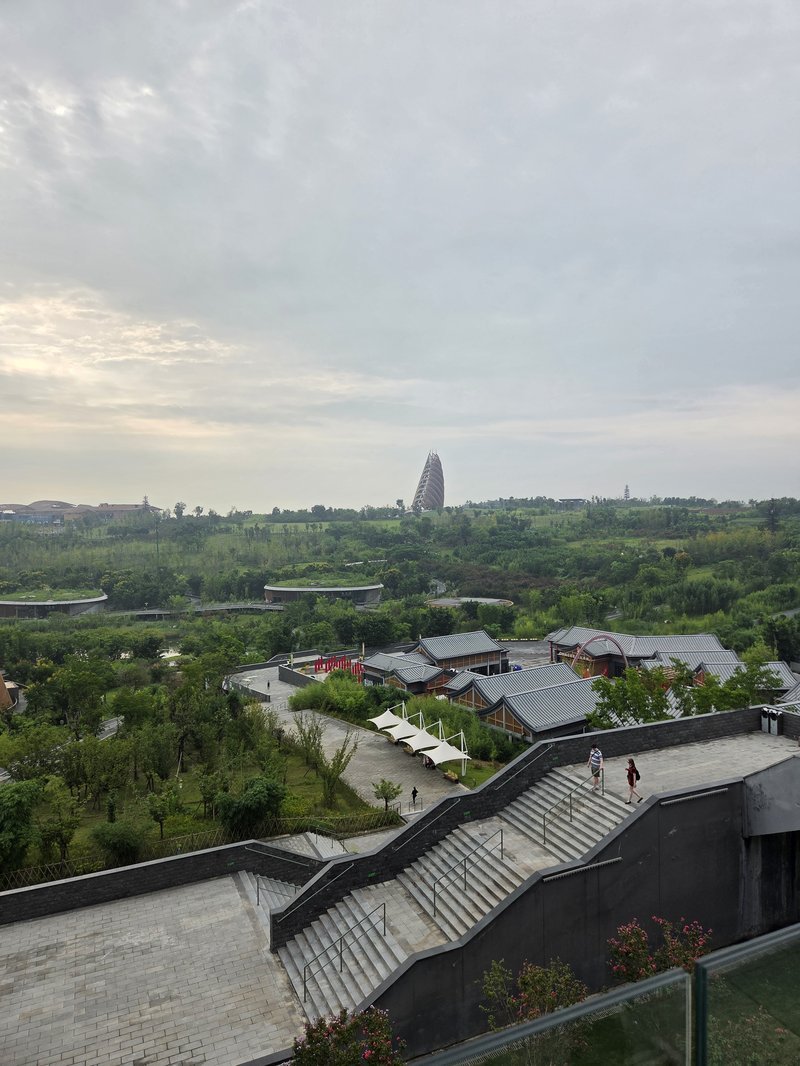
Chengdu · Sichuan
The best areas to stay are the historic and commercial heart of Luomashi (with an excellent crossing of subway lines), the busy shopping area of Yanshikou and Jinjiang District, close to the historic lanes of Kuanzhai Alley.
Xiyue Haoting High Altitude Hotel
玺悦·豪庭高空酒店 (春熙路天府广场店)
Chongqing · The 3D City
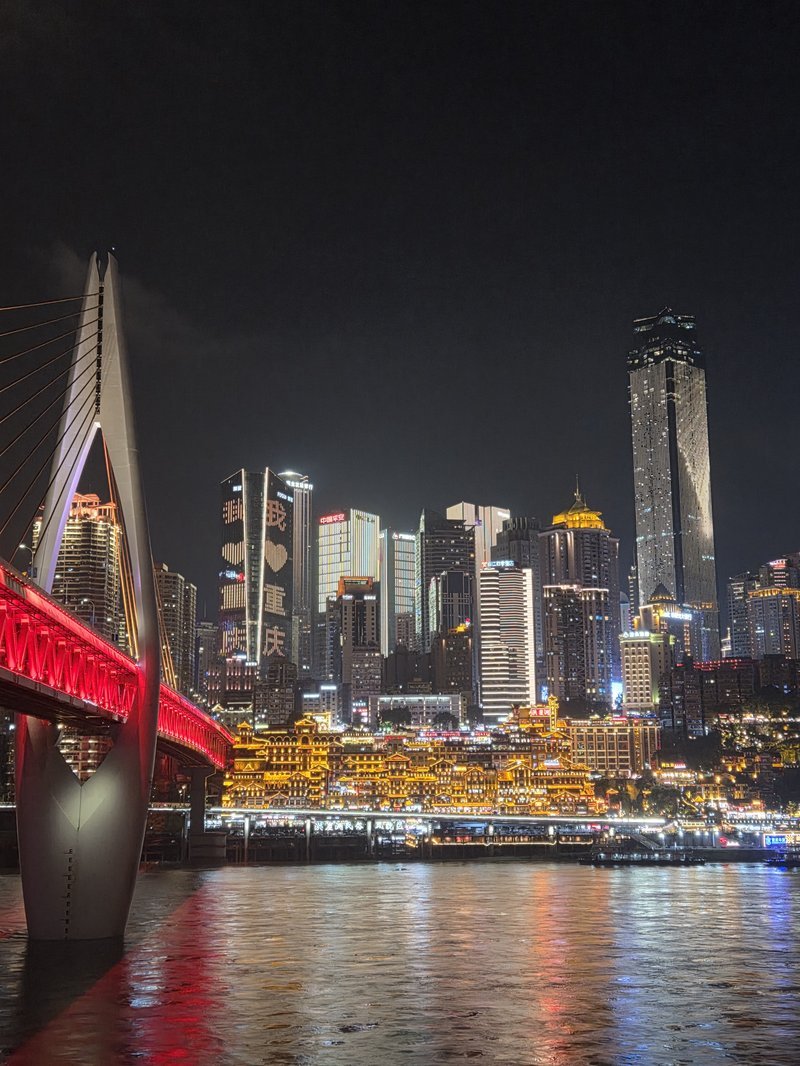
In Chongqing, staying near the central Yuzhong peninsula, between the Jiefangbei clock tower, the Chaotianmen docks and the lit-up Hongyadong lookout, is the way to feel the city's pulse without relying on long taxi rides.
Mcsrh Hotel (Chaotianmen & Jiefangbei)
Mcsrh麦嘉·拾趣酒店 (重庆解放碑洪崖洞店)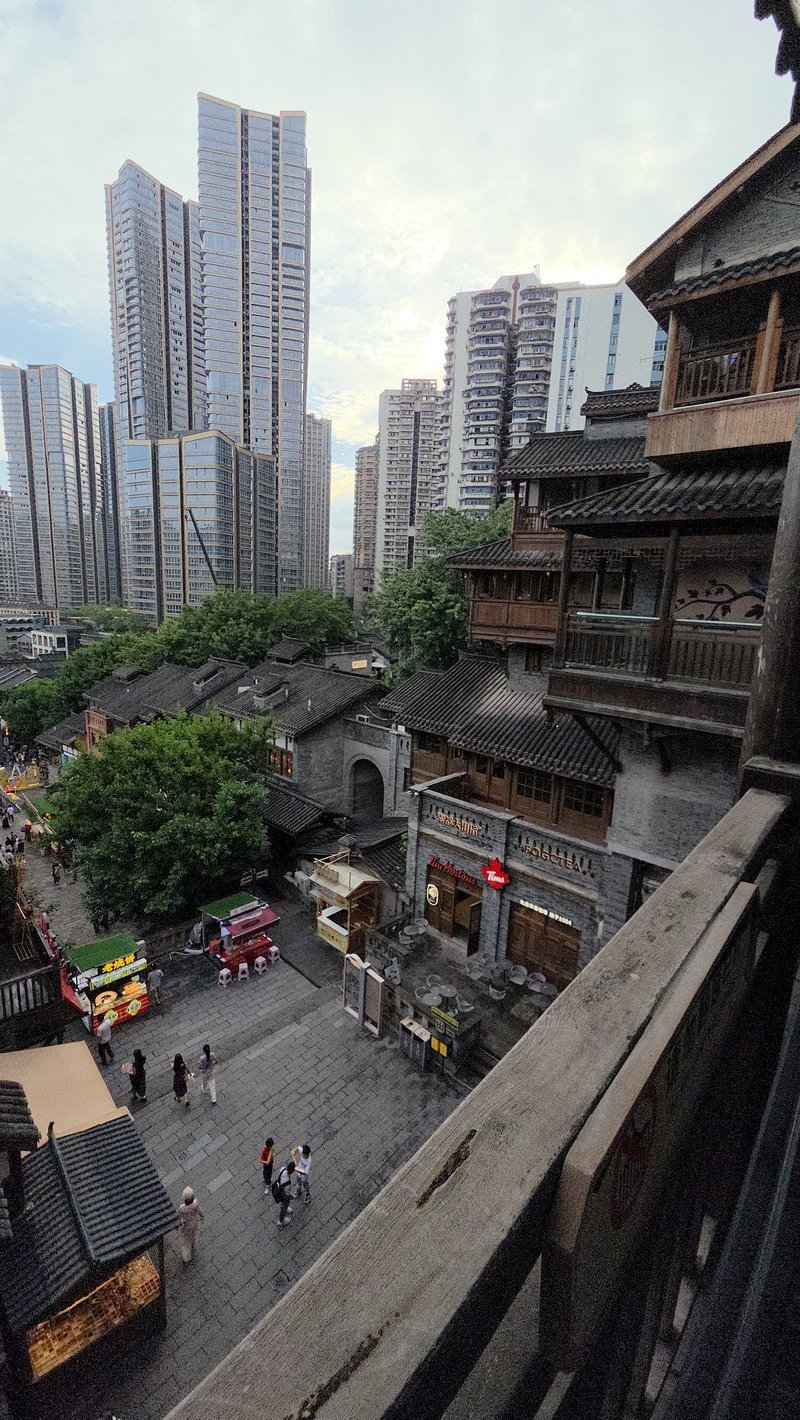
Zhangjiajie · Wulingyuan (the Avatar mountains)
The smart move: most people make the mistake of staying in Zhangjiajie city (the center), more than an hour's drive from the entrance to the stone pillars. Choose to stay in Wulingyuan, the little town right at the gate of the National Forest Park.
Xinghe Qingmeng Folklore Inn
星河清梦民俗客栈 (张家界武陵源国家森林公园店)Fenghuang · The Ancient Riverside Town
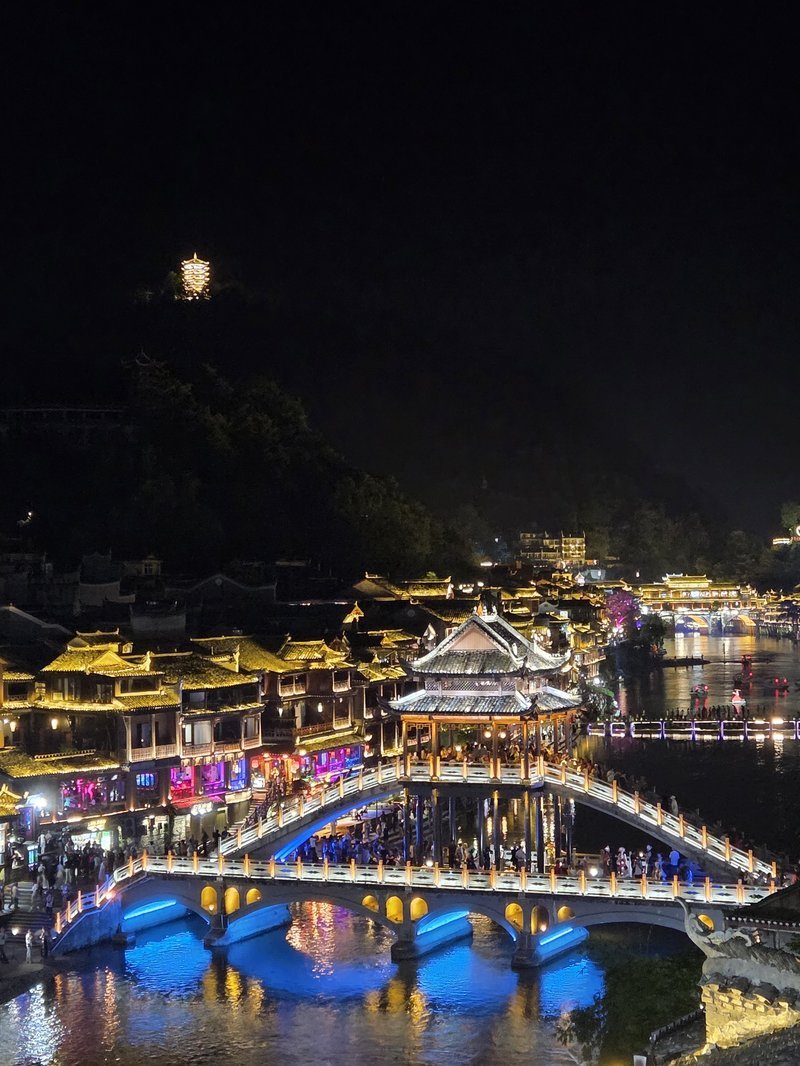
In Fenghuang, the goal is to wake up looking out at the wooden stilt houses (diaojiaolou) and the mist on the Tuojiang River. A much-needed poetic pause in the middle of the route.
Phoenix Yuanshe Riverview Homestay
宿旅·原舍江景民宿 (Phoenix Scenic Area Nanhua Branch)
Shenzhen · A Compass of Three Hubs
In Shenzhen I stayed with friends, but the neighborhood you choose completely shapes your stay:
- Futian (financial and civic center): the most modern, green and orderly area. Home to the monumental library, Shenzhen Central Park, bold skyscrapers and international chain hotels with the subway at the door.
- Huaqiangbei (华强北): the biggest electronics hub on the planet. For anyone who wants to explore component markets, gadgets, innovation and tech at a frantic pace.
- Luohu (eastern Shenzhen): the traditional, busy commercial area. Great for everyday shopping and, above all, for crossing the border to Hong Kong by train through Lo Wu station.
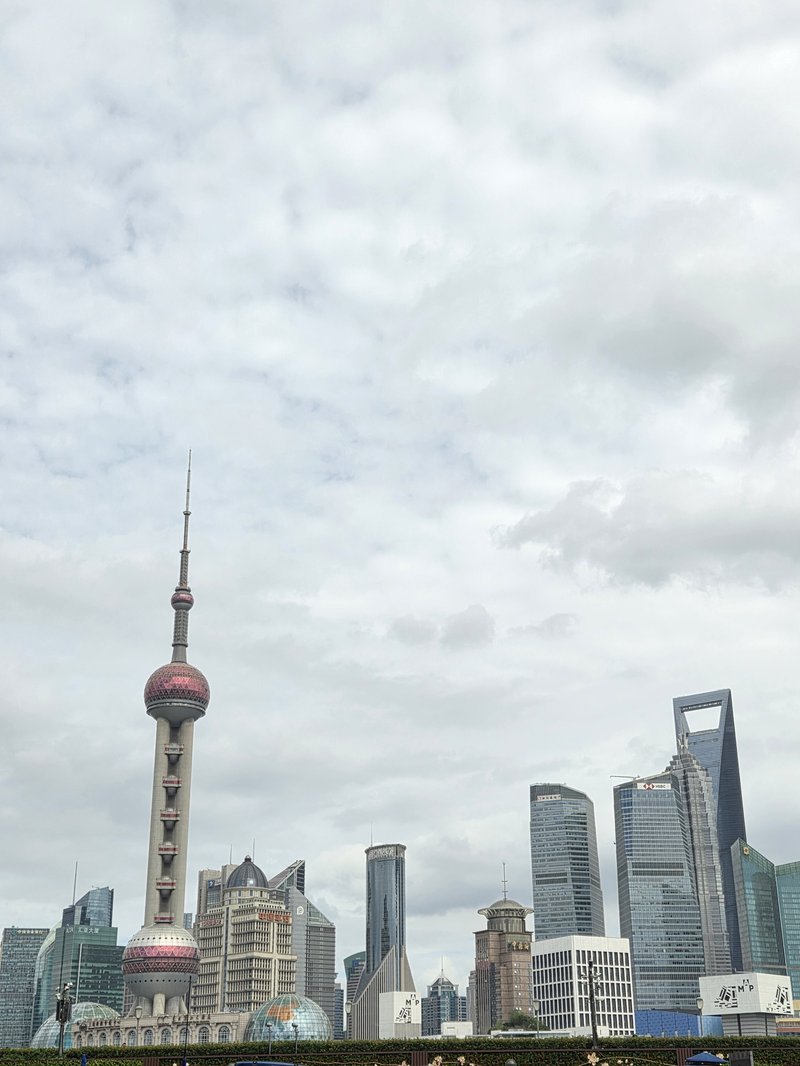
Shanghai · Between People's Square and the French Concession
Shanghai is split between the monumental energy of the center and the tree-lined European charm of the historic concessions.
Fish Inn (Shanghai People's Square)
No. 135 Jiangyin Road, Huangpu District, ShanghaiA charming alternative: if you're after a more refined, quieter atmosphere, look for places to stay in Jing'an District or the former French Concession (Xuhui). It's the home of bistros, art galleries, incredible artisan bakeries and the unmissable Wukang Road (武康路), perfect for hunting down contemporary Chinese designer labels and independent cafés.
Beijing · The Dongcheng to Sanlitun Axis
In Beijing, I made the early mistake of staying a little off the route and lost hours every day on the subway. To avoid that trap, focus your search on the axis between Dongcheng and Sanlitun:
- Sanlitun (Chaoyang): Beijing's cosmopolitan, modern and lively face. Big open promenades, global brands, contemporary cafés and buzzing nightlife. Ideal for high-end hotels.
- Beixinqiao / Gui Street (Ghost Street): just west of Sanlitun. A charming area famous for its traditional alleys (hutongs) and streets full of red lanterns and very busy late-night food.
- Shichahai / Jingshan (Dongcheng): right by the historic lakes and the back of the Forbidden City. The perfect choice if you want an authentic cultural experience in boutique hotels set in old, renovated traditional courtyard houses (siheyuans).
5. The table on the road: what to eat at every stop
Reducing Chinese food to a single dish or province means ignoring an entire continent of techniques. Every stop on the route taught me a different lesson about seasoning, temperature and courage at the table.
In Chengdu, the shock starts with málà (麻辣), that fresh, anesthetic numbness of the Sichuan peppercorn that makes your mouth tingle with curiosity. It's the cold feast at Chenshi Liangfen and the Dan Dan Noodles served with crispy meat and fragrant sesame oil.
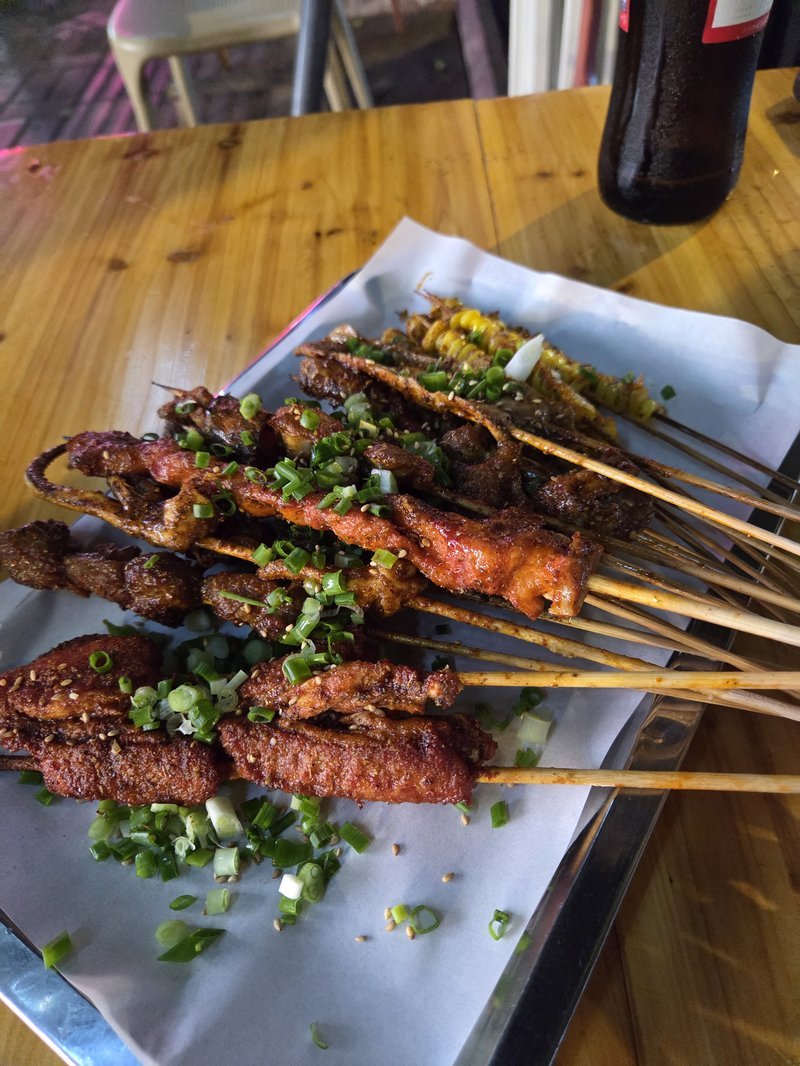
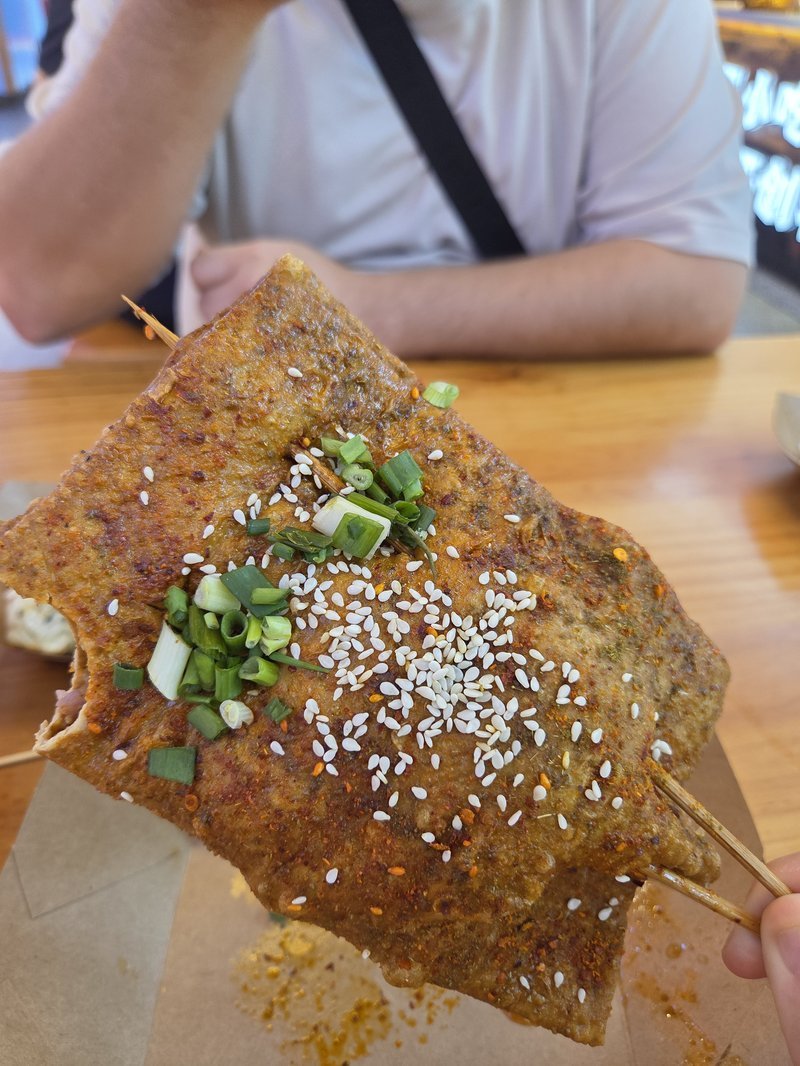
On the vertical slopes of Chongqing, the soul is on the sidewalks. I ate soft steamed baos and charcoal-grilled tofu with Sichuan spices that crackled with flavor in my mouth. And an honest confession: I didn't eat hotpot in Chongqing, and when I finally tried it in Shenzhen, I found out it's not my cup of tea. And that's fine! Traveling with independence is exactly knowing what you like, with no obligation to follow anyone else's script.
In Zhangjiajie, the street handed me one of the best discoveries of the whole trip: xianrou bing (鲜肉饼), a Chinese fresh-meat pie. For just 15 yuan, I watched the thin dough get filled on the spot with well-seasoned ground meat, lots of fresh scallion, ginger and sesame oil, pressed into a disc and shallow-fried until the outside turned into a crackling golden crust, holding a juicy, scalding broth inside.
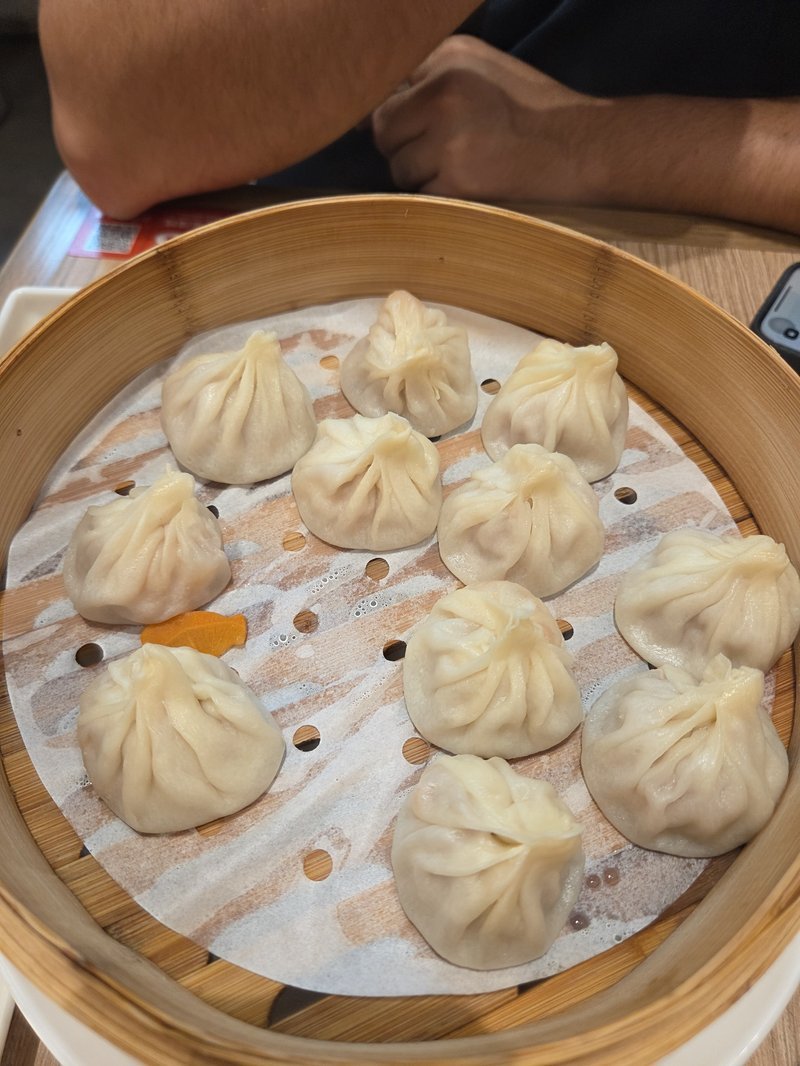
In Shanghai, my absolute devotion went to xiao long bao: dumplings with translucent dough and delicate pleats holding a rich, comforting broth inside, eaten slowly from a Chinese spoon with a touch of black vinegar and slivers of ginger. And to balance the palate, the Western-style bakeries of the old French Concession turn out artisan breads, croissants and pastries that rival the best bakeries in Europe.
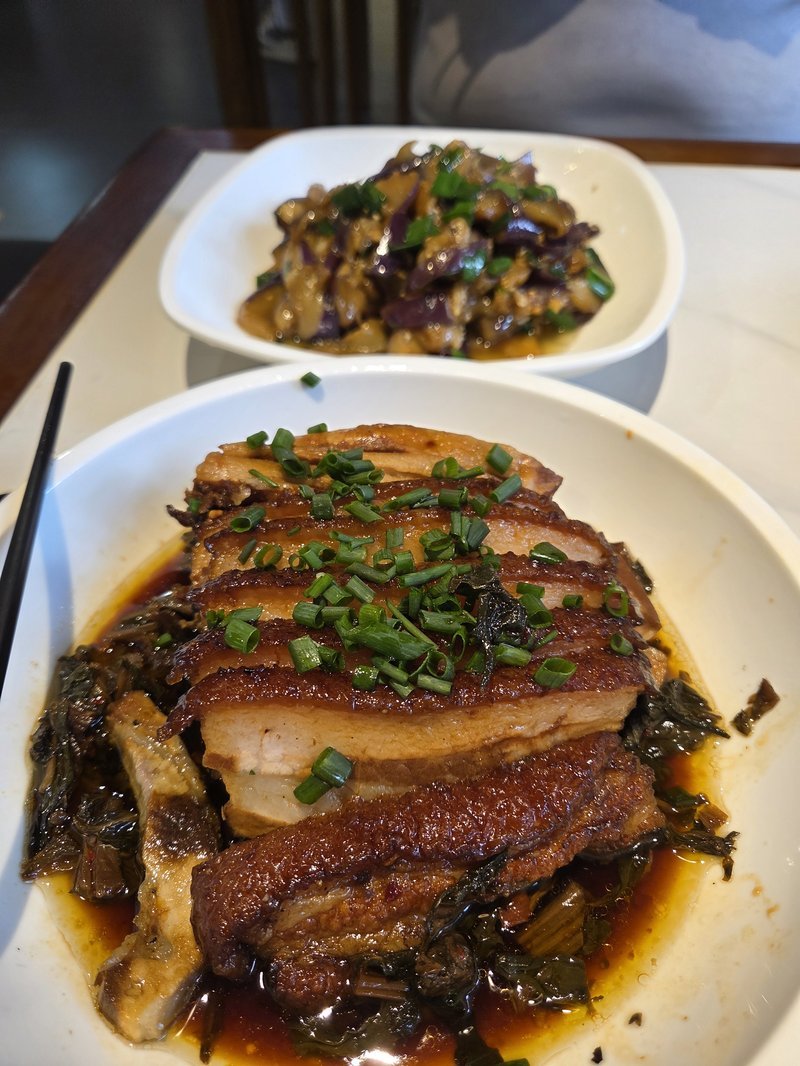
In Beijing, I skipped the famous duck (fair warning: I don't eat duck!) and went after what locals really eat. The high point was a dish of pork and caramelized eggplant I had around the historic quarter, plus aromatic skewers grilled over charcoal in the lanes of the old city. Rustic, deep food, full of warmth.
 Food Like a Hug