We reached Japan after almost six straight months on the road through Asia. We landed in Osaka from Seoul, caught the train and went straight to Kyoto. When a trip runs too long, the tiredness piles up in a way the pretty photos online never show. Your body gets heavy, your head is saturated with newness and the pace has to slow down whether you like it or not. Japan was an old dream, but the truth is we were already at the end of our physical and emotional strength. Being honest with our own bodies shaped the whole itinerary: we chose to live the country slowly, with no obligation to tick off other people's lists, looking for real pauses and human connection.
The essentials before you board
- Visa exemption (90 days): as a Brazilian with a biometric passport (with a chip), I didn't need a tourist visa. Rules depend on your passport, so check yours. Fill out the official form on Visit Japan Web a few days before your flight to generate the immigration and customs QR codes that speed up arrival.
- Flights and a 12-hour time difference: getting to the other side of the world took us between 24 and 30 hours. A valuable tip to help your body cope is to look for routes on Trip.com Flights with a longer layover (a stopover), taking two days to breathe in a city along the way before landing in Japan.
- Internet from the start: outside the big hotels, almost nobody speaks fluent English, and you'll lean on a translation app and a map at every step. Install an Airalo eSIM before you leave home so you land with your phone already connected.
Kyoto: the kindness of two elderly hosts and the redemption of the trip (4 days)
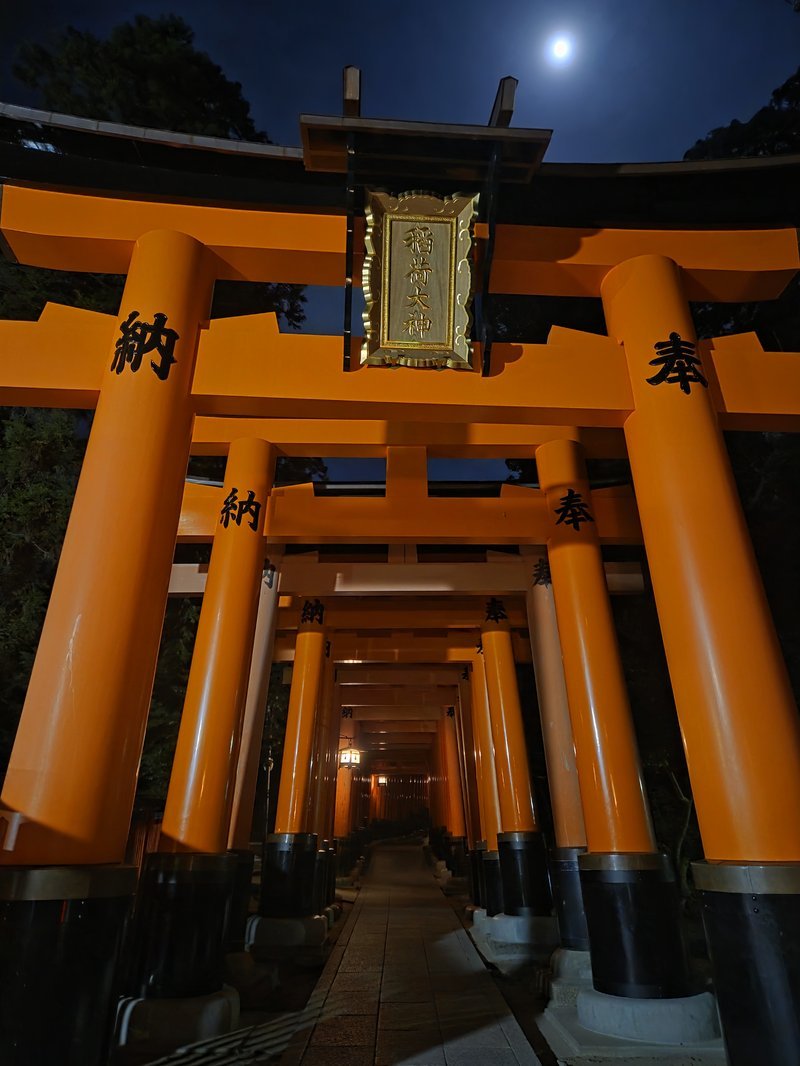
It was past nine at night when we got to Kyoto. At the train station, two hosts in their seventies were waiting for us with the generous patience only older people have. Their house sat right across from that famous temple with thousands of red gates, Fushimi Inari. They spoke zero English, we spoke zero Japanese, but a translation app on the phone managed to bridge two distant worlds. The house had four floors, full of rooms, and was much bigger than its modest front suggested.
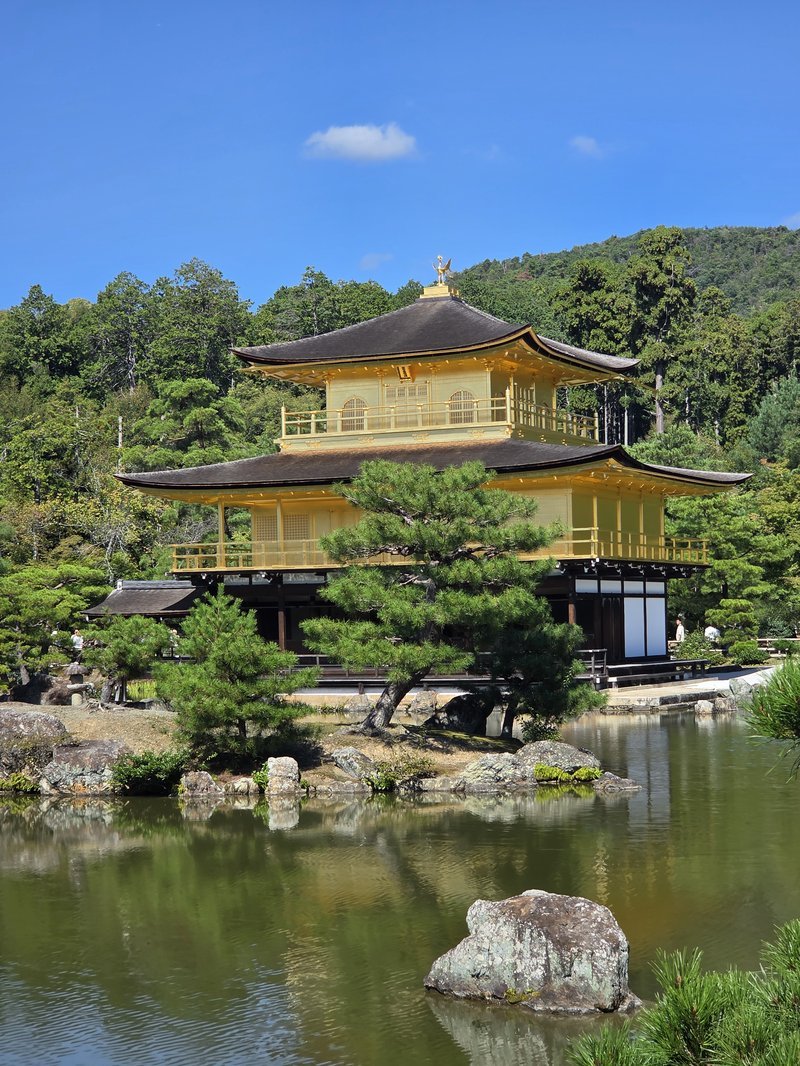
That's where our redemption began. Asking for absolutely nothing in return, those two offered to take us around the city the next day. They took us to the Golden Pavilion (Kinkaku-ji), to the temple of a thousand Buddha statues (Sanjūsangen-dō), to the Arashiyama bamboo forest, and introduced us to our first traditional conveyor belt sushi.
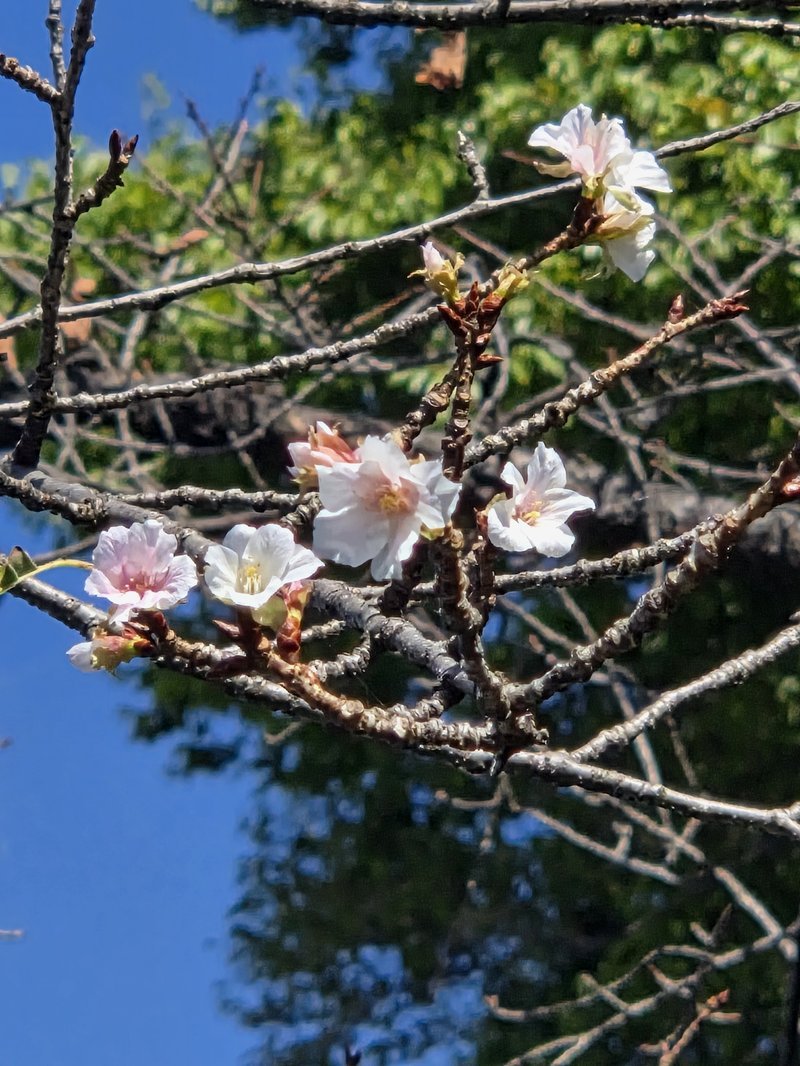
One night, I walked through Fushimi Inari completely alone. There wasn't a living soul in those red corridors that, by day, are packed with tourists fighting over an inch of frame. The stillness of that shrine in the dark, hearing only the wind in the trees, was one of the deepest moments of my whole time in Asia. Walking along the river the next morning, I found three cherry blossoms open out of season. A tiny, delicate detail that took the weight of all that tiredness right off me.
The best beef of my life and the tea ceremony
The best food of the trip, and by far the best of my entire life as a cook, didn't happen in any Michelin-starred restaurant. It happened in the living room of that house.
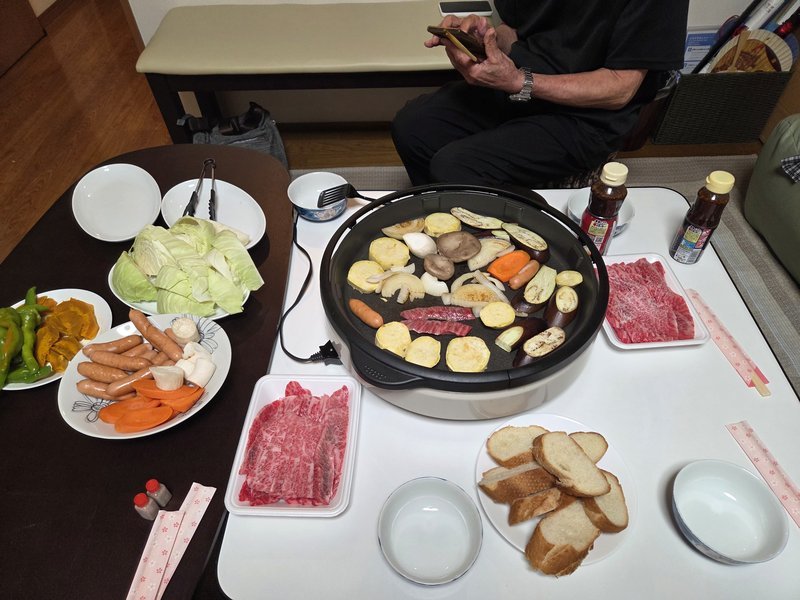
Our hosts set up yakiniku on the table, that Japanese barbecue done right in the middle of the room, grilling fresh vegetables over gentle heat. For that night, they bought Kobe beef straight from a small local farm, the kind that doesn't sell to restaurants or tourists; it only sells to families in the neighborhood.
I'm a chef, but I've never been one of those people who go crazy for red meat. And yet when I close my eyes and think back to that room in Kyoto, I can still feel the exact texture of that beef in my mouth. There's no technical word in the culinary vocabulary for the tenderness and the precision with which that fat melted away. It was the peak of everything.
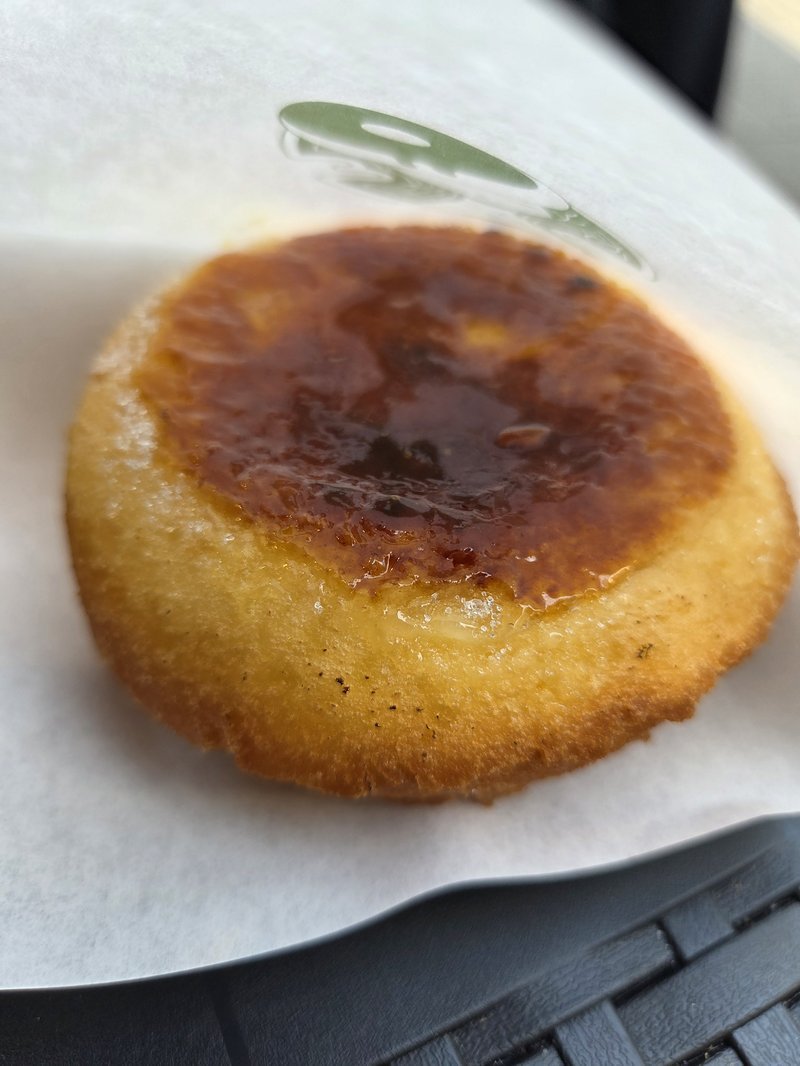
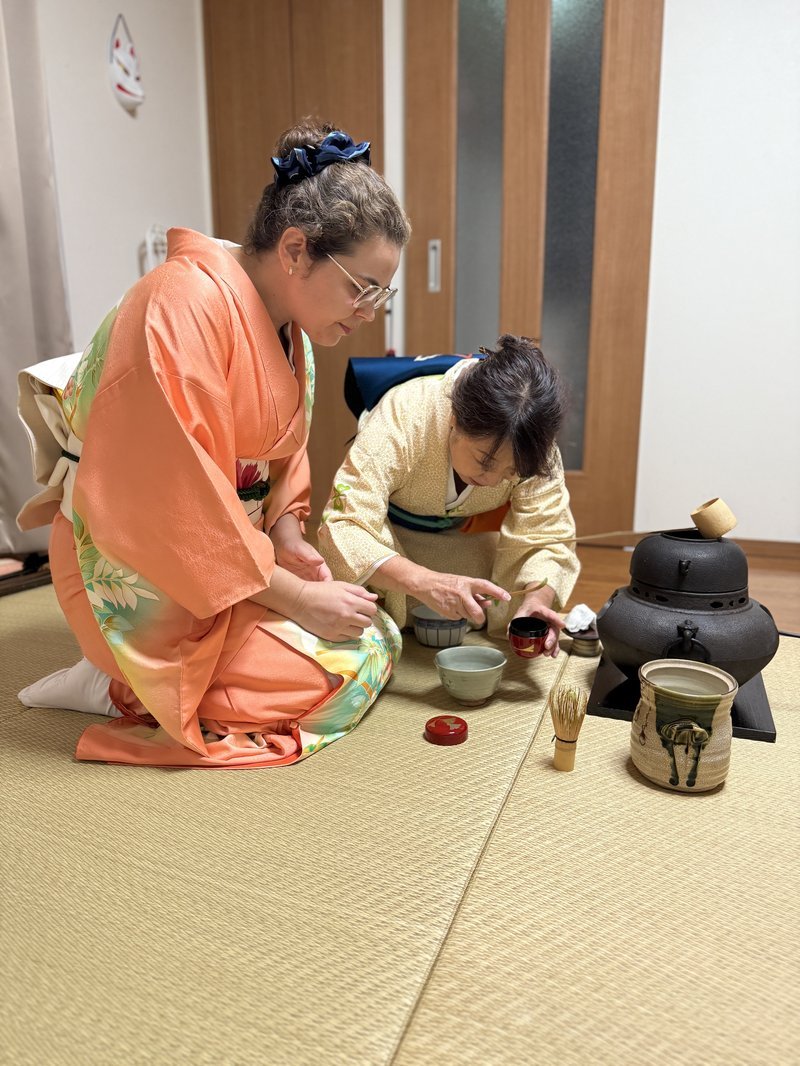
Besides opening their home and making that feast with pure affection, our host was a tea master, and she gave us a moving gift: she taught us the traditional Japanese tea ceremony right there in the living room. Watching those exact, calm gestures full of reverence was a deep lesson in presence and generosity. Kyoto also handed us sweet finds, like a donut with a crisp crème brûlée top and custard filling, before we felt the uncomfortable contrast of walking the streets of Gion and seeing the weight that noisy tourism puts on local life.
The Shinkansen ride, the Suica card and a luggage warning
Suica on your phone: for public transport in Japan, the ultimate tool is the Suica card (or Pasmo). If you have an iPhone, add a digital Suica to your Apple Wallet before you travel and top it up with your international card in seconds. No lines to buy a physical card: just tap your phone at the gates of the subway, local trains and buses. Beyond transport, it works as a digital wallet for quick purchases at convenience stores (7-Eleven, Lawson) and street vending machines.
The bullet train (Shinkansen): to get between Kyoto and Tokyo, the bullet train is a lesson in punctuality, and booking tickets online in advance is easy. Classic tip: try to get a seat on the right side heading to Tokyo for a chance to see Mount Fuji (we tried, but the day was gray and heavy with clouds, and the volcano stayed in our imagination).
An honest luggage warning: Japan's famous city-to-city luggage forwarding service (takuhaibin) works perfectly if you're going from one hotel with a front desk to another. If you're staying in an Airbnb or a house with no reception, your host can't receive the bags ahead of you. Be ready to carry everything on the trains.
Where to stay: the lesson I learned the hard way
In Tokyo, the biggest mistake a traveler can make is choosing a place far from transport just because the nightly rate is cheaper. Walking 15,000 to 20,000 steps a day is basic routine in that city. When we arrived, we had to drag heavy suitcases for more than twenty minutes along residential sidewalks to our place, because our Airbnb had no one to receive us early and sat far from the center. A saving that cost us dearly in worn-out legs at the end of every night.
When you plan places to stay in Japan on Trip.com, always go for hotels right next to stations on the JR Yamanote loop line (like Ginza, Shinjuku, Shibuya, or calmer neighborhoods like Ueno). In Kyoto, try to stay a few steps from the main station or in the quiet streets around the temples. Being three minutes from a station will save your trip.
Tokyo: the shop-window city versus the counters that take you in (10 to 12 days)
Tokyo was our counterpoint. We stayed more than ten days and the city wore me out. Tokyo felt like a city built for nonstop consumption: flashing lights, mass shopping, frantic crowds and young people chasing the next thrill in Shibuya. I had no room in my bag, I don't travel to buy things, and I was exhausted by all the noise.
I only bought what was strictly useful: a thermal sweater at Uniqlo because the temperature dropped, a few souvenirs for family and little sachets of shampoo for my carry-on. I walked into the famous Itoya stationery store in Ginza, with seven floors dedicated to design and handmade paper, admired how beautiful everything was and walked out with a single sheet of stickers.
What saved me in Tokyo, as always, was unpretentious food at small neighborhood counters:
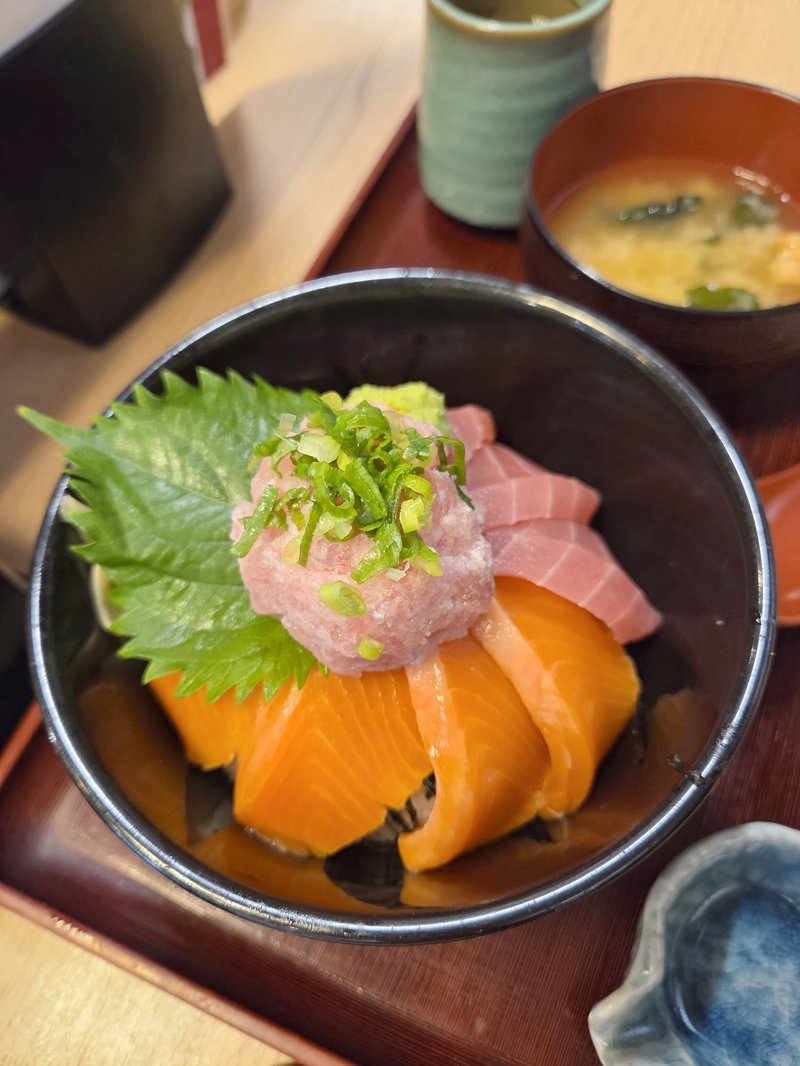
In Ginza, a patient line on the sidewalk led me to Ginhachi, where I ate a kaisen don with slices of unbelievably fresh fish over warm rice. I had never been a fan of raw tuna, but the first bite there showed me I just hadn't met real tuna yet.
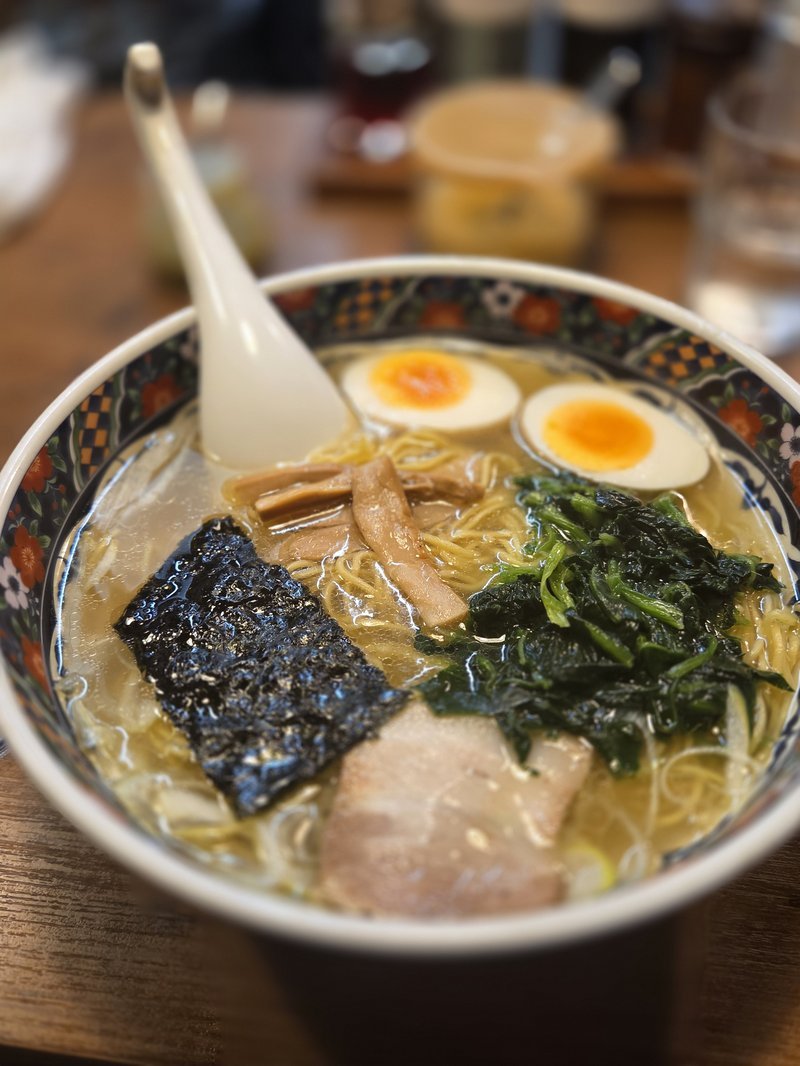
A few steps away, the welcoming steam of Funamizaka Hakodate Ramen delivered a hot, comforting shio ramen to escape the freezing wind, crowned with yuzu kosho, a citrusy paste of chili and yuzu that explodes on your palate.
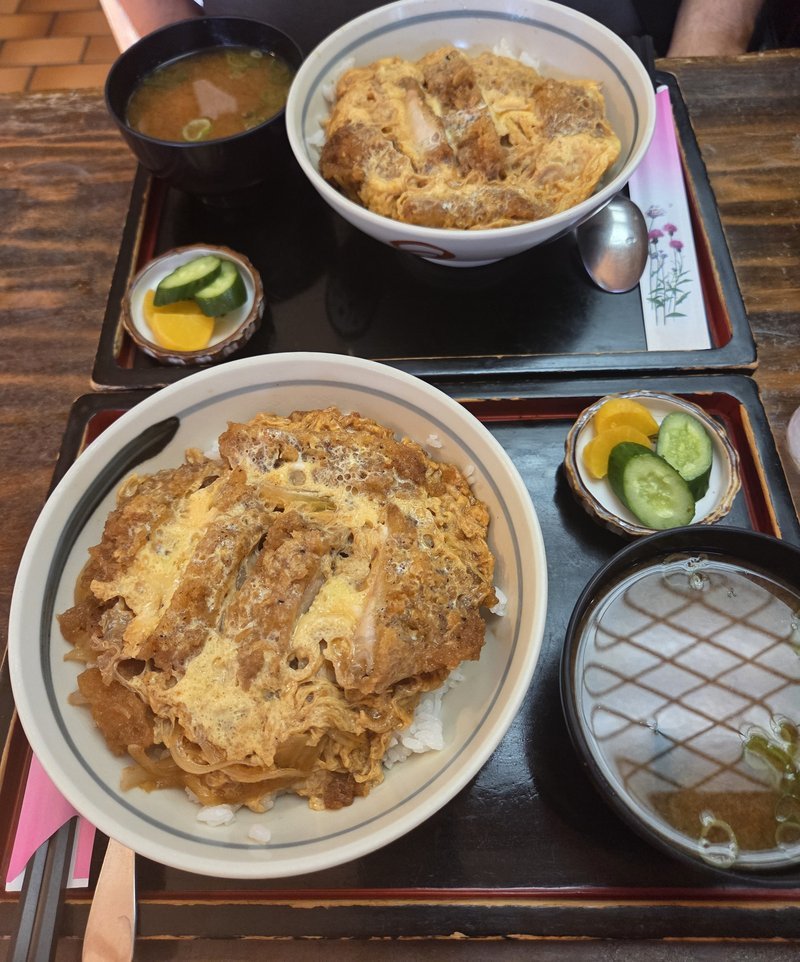
Near Tabata station, I found a real neighborhood gem I only discovered because we happened to be staying in that area: the little place called Asanoya. Off every tourist radar, it served a juicy katsudon with crispy pork and egg in a sweet broth, in a dining room with a ceremonial silence, run by dedicated older men who cook with reverence.
On our walks around the city, the mandatory stop was the classic Cremia soft serve in a buttery biscuit cone. And on rushed, lazy or worn-out days, salvation came from the convenience stores (7-Eleven, Lawson, FamilyMart) and the neighborhood or subway station supermarkets, which mark fresh food trays down 30% to 60% after 8 p.m.
The golden rule of tax-free shopping, and cash
The tax-free rule you can't forget: anything you buy tax-free can't be opened, consumed or used inside Japan. The government's new rule did away with those sealed plastic bags in your luggage for the whole trip, but the core rule that the item has to leave with you untouched is exactly the same, in case customs asks to inspect it at the airport before you check your bags.
Cash in your wallet: even in the most high-tech country on the planet, small holes in the wall, ticket machines and temples still ask for cash. Don't stress over exchange offices: you can easily withdraw yen at the ATMs in any 7-Eleven with your international cards.
From Tokyo, we caught a flight with a layover in Shanghai and went on to Milan, closing our Asian chapter before heading back West with one clear certainty. Would I go back to Tokyo? Maybe, but only passing through. Where I really want to linger and spend weeks is Kyoto, Osaka and the villages in the countryside, where time moves at the pace of people, not shop windows.
 Food Like a Hug