I went to South Korea as a birthday present to myself. I arrived without a fixed itinerary, determined to let the city carry me instead of forcing a plan, and I explored a good part of the trip on my own, even though I wasn't traveling alone. I have to say it: the city is incredibly safe for women traveling solo.
Before takeoff: K-ETA, a 12-hour time difference and an eSIM from minute one
- The K-ETA authorization: as a Brazilian, I didn't need a tourist visa for South Korea, only the K-ETA, a paid electronic travel authorization issued on the official Korean government website. It cost me around USD 10 to 15. The rules change depending on your passport, so check what applies to yours before you fly. Be very careful with fake websites that charge inflated fees outside the official channel, and apply about a week before your trip so you're not taking chances. Travelers under 17 and over 65 were exempt.
- Breaking up the journey with a stopover: getting to Asia means long flights and unavoidable connections. A smart way to help your body handle the jet lag is to book legs with a longer layover on Trip.com Flights, using two or three days of breathing room in the connecting city to see another country along the way. Just check the immigration requirements of the country you stop in.
- Internet without the language barrier: South Korea was the only country where I waited to buy a SIM card at arrivals, and the counters run on fast, rapid-fire English. With your head heavy after hours of flying, that is not the place to learn the local rules. Sort it out before you board by installing an Airalo eSIM. You land, switch off airplane mode and walk out of the gate already connected.
Arriving and getting around
To get from the airport into the city, the subway runs with flawless punctuality. If you're traveling with a lot of luggage, go for the airport express buses instead, partly out of local etiquette, since big suitcases get in everyone's way on packed trains at rush hour.
Uber works really well around the city, but in its own way: it doesn't call private drivers, it dispatches Seoul's official taxi fleet. The fare goes straight onto the international card saved in the app, but on rainy days or at busy hours the wait can drag, so it's worth keeping the local app KakaoT installed as a backup. One very important thing: check the pickup point before you confirm the ride, because every airport has its own rules for ride-hailing cars.
A lesson in where to stay, and city etiquette
- The distance lesson: on my trip, I ended up staying very far from everything, in an outlying residential neighborhood. It was worth it for a feel of how people really live, but getting back by subway on legs worn out from walking all day took up to an hour and a half. Don't make my mistake: look for places to stay in Seoul on Trip.com right next to Myeongdong station (shopping and markets) or Hongdae (nightlife and cafés). If you'd rather be somewhere residential and off the usual route, Gongdeok-dong is a practical option with good line connections.
- Luggage etiquette on the subway: the trains are quiet and they run full. If you're moving around with bulky bags at rush hour, take the airport express buses or a taxi and spare everyone the squeeze.
Culture and street life
Myeongdong ended up being my favorite part of town to wander with no destination. Gwangjang Market is a must for real street food, bubbling pots and crowded stalls where the lines are actually worth it. Changdeokgung Palace deserves a visit too. Since I had just come from a trip through China, still carrying the sheer, crushing scale of the Forbidden City with me, the Korean palace felt smaller by comparison, but its architecture has a calm, cheerful and very particular delicacy. At night, Gwangtonggyo Bridge over the Cheonggyecheon stream is a lovely spot to sit by the water, listen to street musicians and rest your mind when the cold eases up. It looks exactly like a scene from a K-drama.
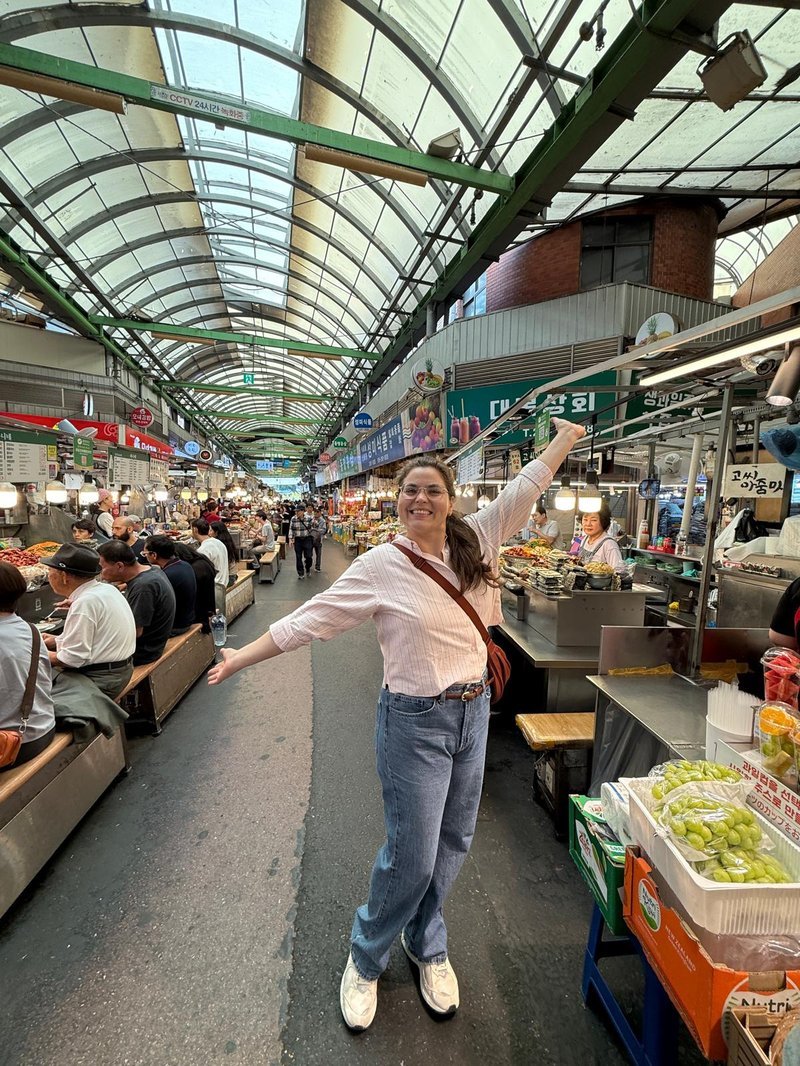
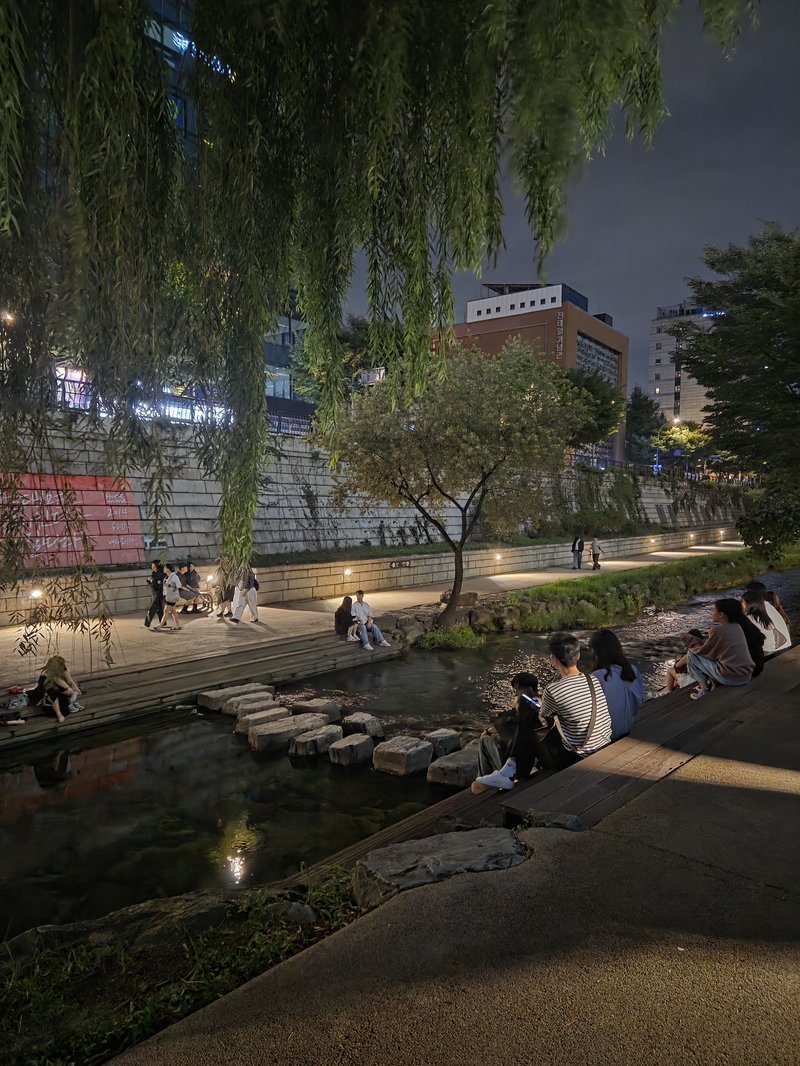
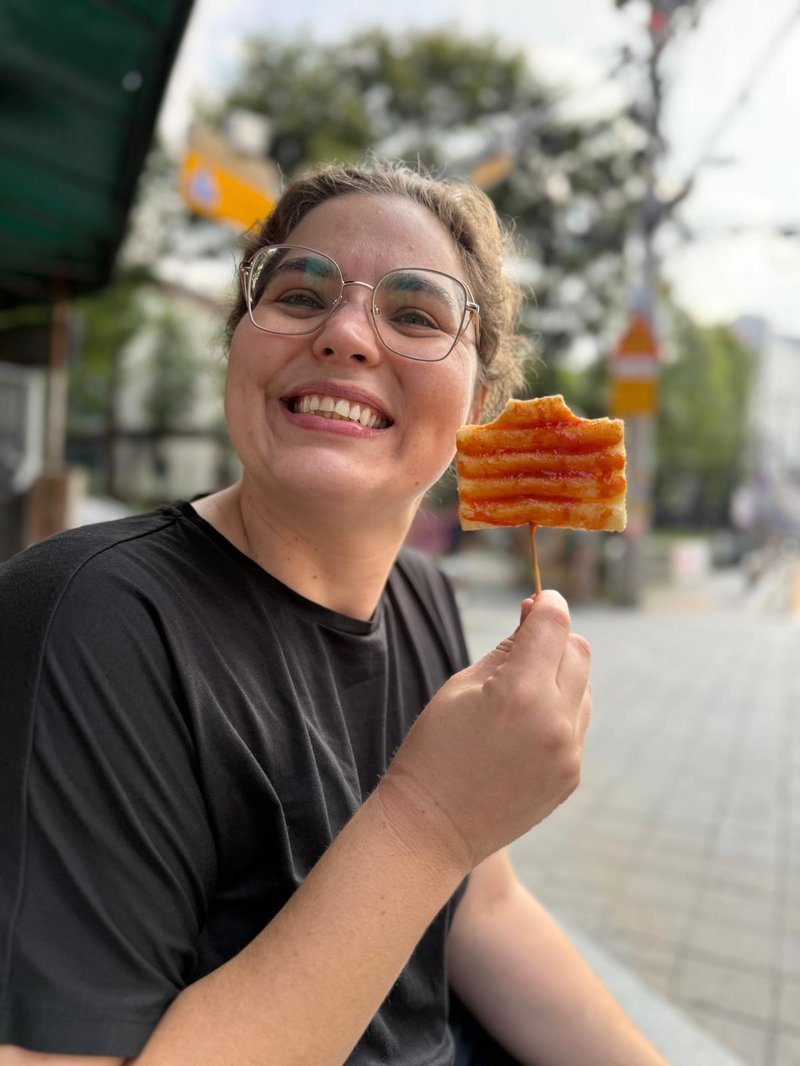
The biggest day-to-day culture shock was how intense the nightlife is in the middle of the week. Restaurants and bars are packed on ordinary workdays, with locals eating and drinking out surprisingly often.
The Olive Young trick and the golden rule of tax-free shopping
- Passport discount at Olive Young: before you go shopping for cosmetics and skincare, sign up on Olive Young's global platform with your passport. Show your membership number at the register to get automatic discounts, and ask for the tax-free receipt.
- Customs validation at the airport: keep every receipt safe. Anything you bought tax-free has to stay sealed and unused until it's validated at customs at Incheon airport, before you check your bags.
Food: the truth at the counter and the warmth of the table
Eating in this city asks you to forget the ready-made lists and let your nose decide where to sit. The pride Koreans take in their own food shows on every corner, a respect for what's on the plate that I already admired from living alongside Korean friends in Australia, and that held up in person. Away from the tourist circuit, you barely see faceless hypermarkets: real life still leans on small street greengrocers with fresh vegetables and neighborhood fishmongers with live seafood out on the sidewalk.
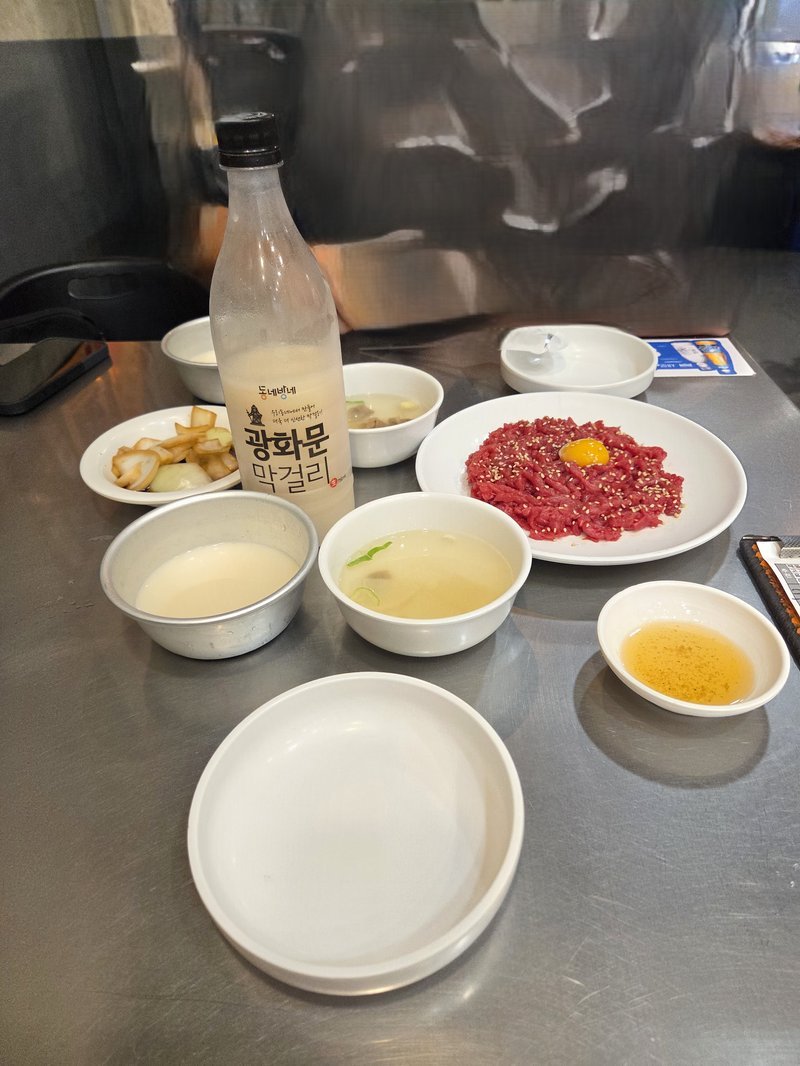
My spur-of-the-moment wish list had bibimbap in a hot stone bowl, classic yukhoe (Korean tartare with egg yolk and sesame seeds) with ice-cold makgeolli, tteokbokki with cheese, crispy fried chicken and kimbap, which a lot of people hastily call Korean sushi, but which has a personality of its own, with the scent of toasted sesame oil in the rice instead of Japanese vinegar.
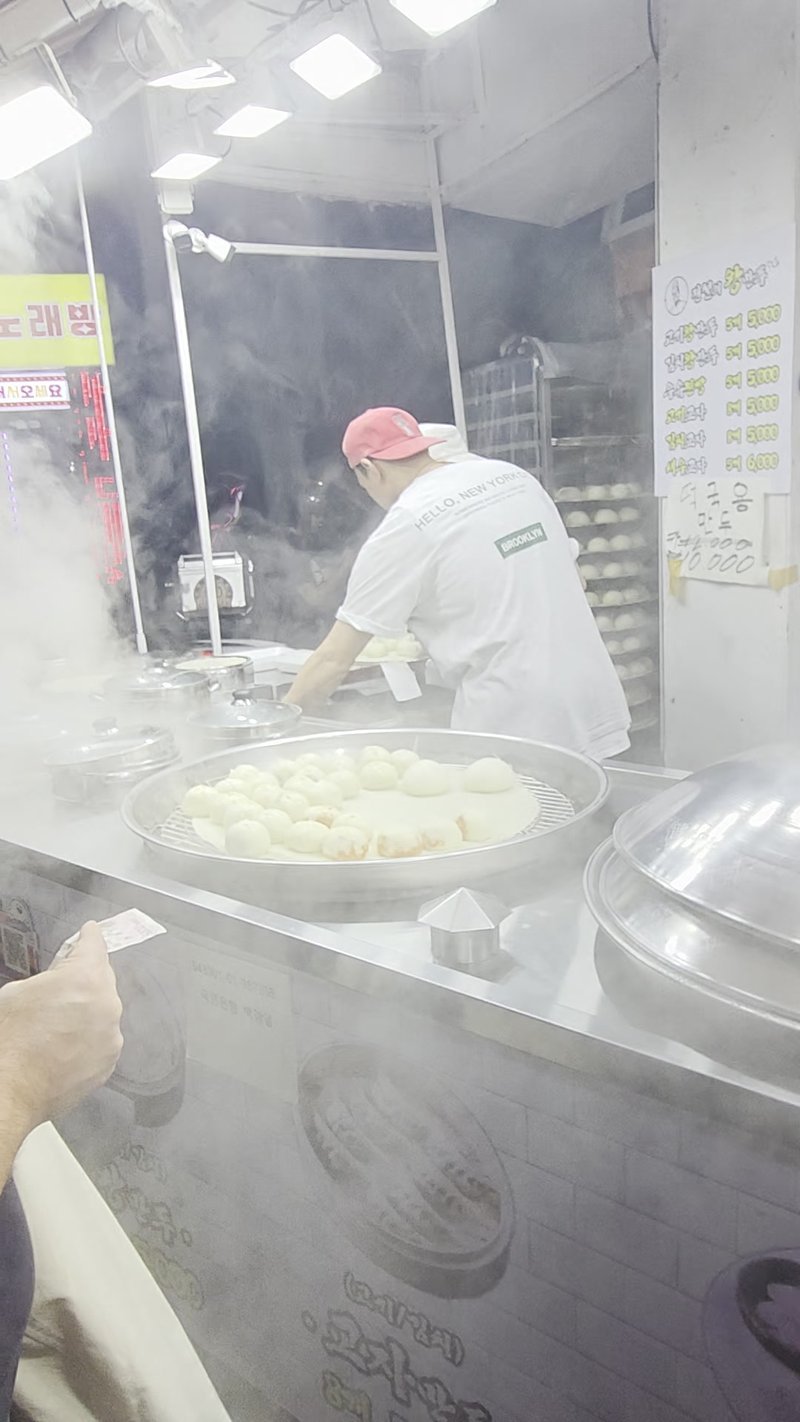
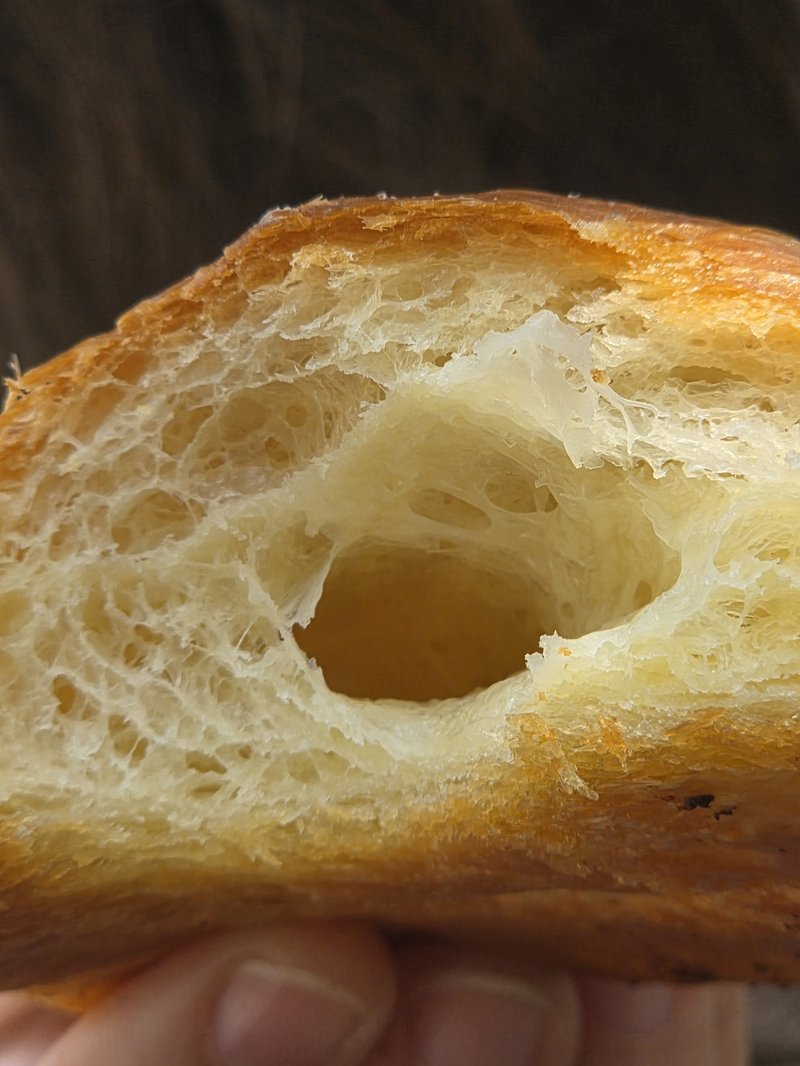
The best meals happened on pure improvisation. Sotbap, a dish I only knew from K-dramas without understanding how it was made, I tried at Damsot Ikseon after recognizing the storefront and walking in without a second thought. The hot pot brings rice, vegetables and sliced beef, building a golden crust at the bottom that later turns into a fragrant porridge when you pour in boiling water. On another autumn night, walking the quiet, safe sidewalks of Namdaemun, I spotted from a distance the thick columns of white steam rising from the pots at Gamekol Son Wangmandu and bought my buns right there, filled with pork and well-seasoned kimchi and handed over hot. And in the charming alleys of Ikseon-dong, the smell of baking butter led me to Jayeondo Salt Bread, where the warm salt bread has a crisp crust with flaky sea salt and an open, airy crumb that melts in your mouth.
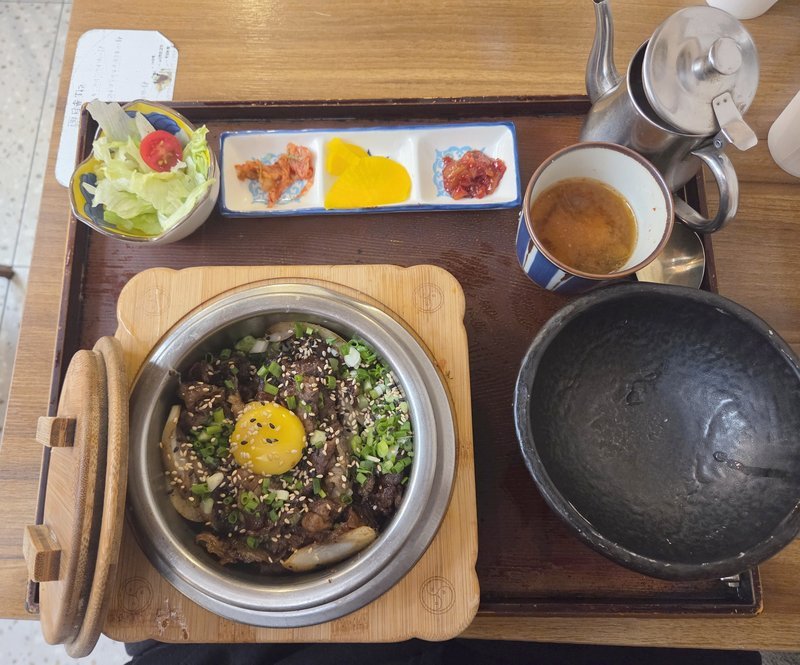
The classic pork barbecue over charcoal with soju happened at Wonjo Sogeumgui, where delicious food shared the table with the strongest memory of the trip: when we found out my card wouldn't go through on their old machine, a stranger at the next table simply paid my bill, generously and with a smile.
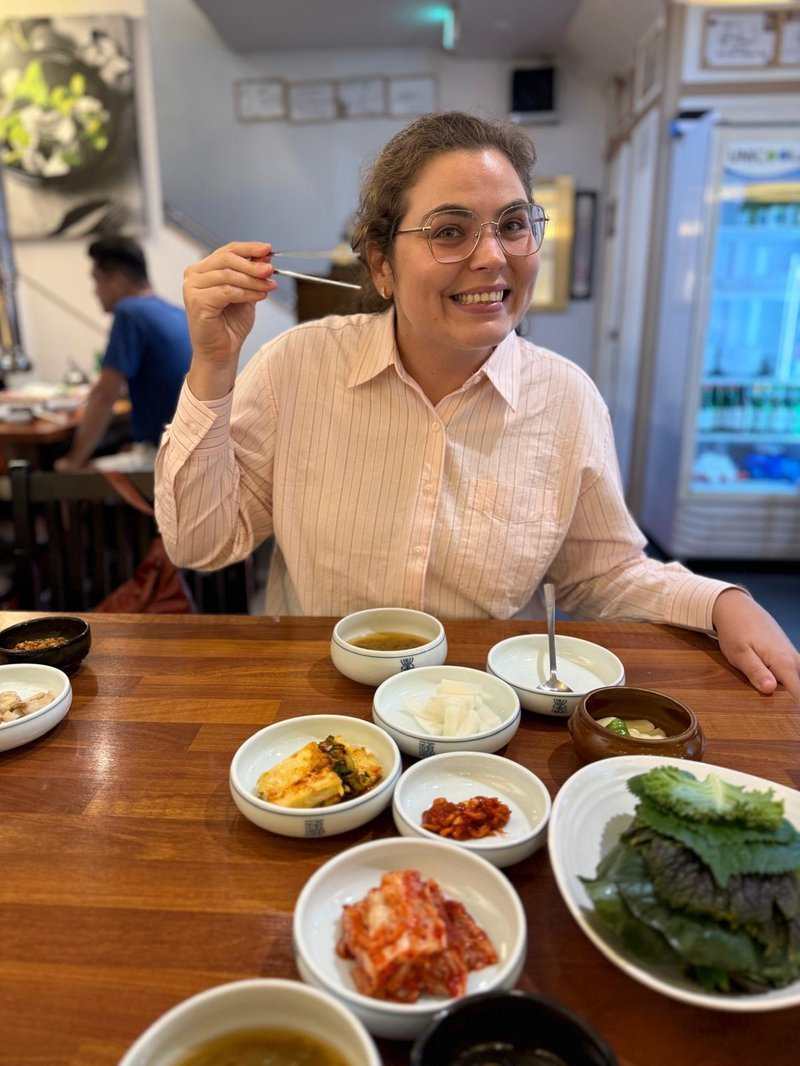
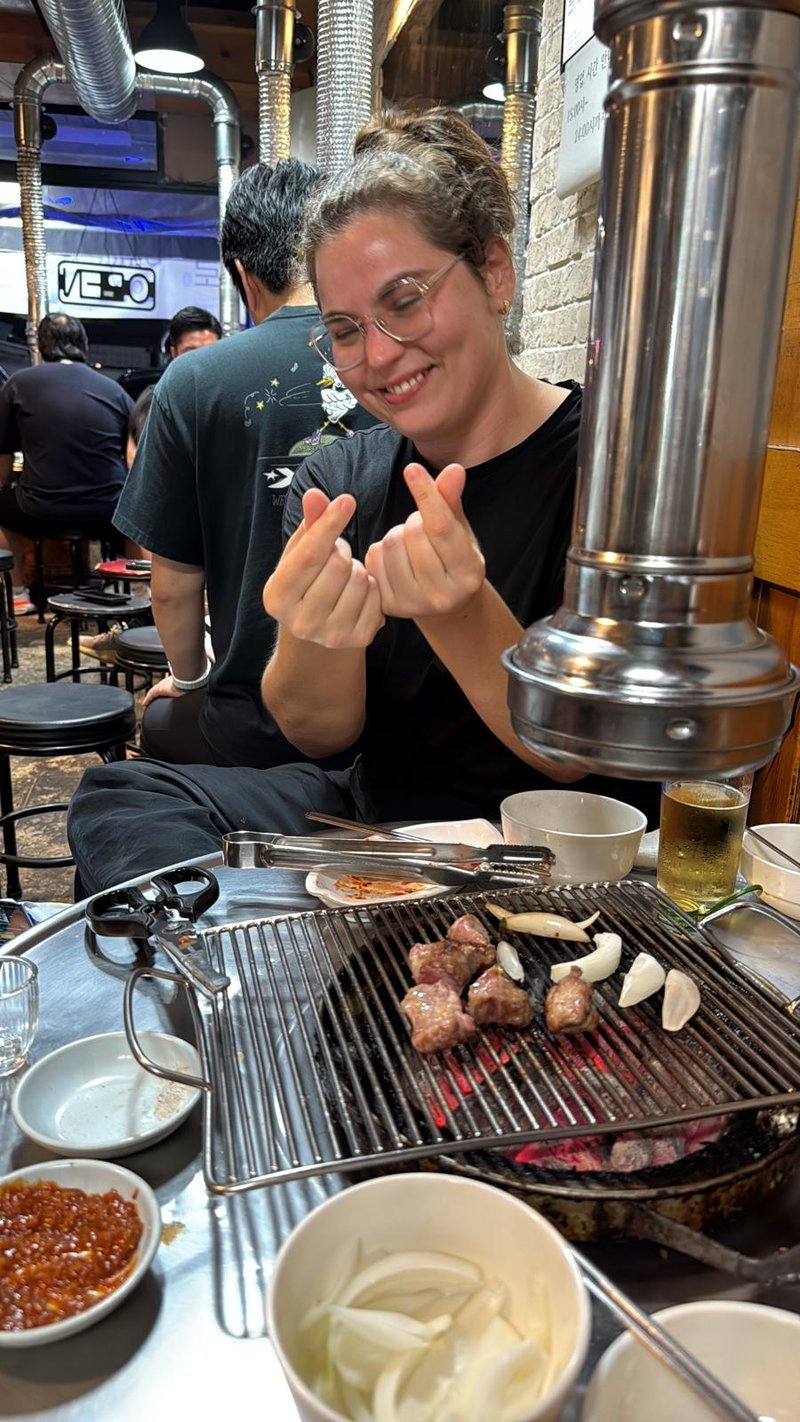
Eating well in Seoul doesn't take a rigid itinerary, because it's really hard to have a bad meal there. The secret is having the nerve to take on the spicy broths and the sour notes of fermentation, and paying special attention to banchan, those little dishes of pickles and sides set out on the table that show you the real soul of Korean cooking.
 Food Like a Hug