Thailand is not a country to rush through or follow a social media checklist. It's humid heat, exhaust fumes mixed with garlic frying on the sidewalk, and the disarming simplicity of people who have been doing the same thing perfectly for generations.
My story here splits into two very clear moments. In 2020, I arrived as a classic backpacker: that's when I dug deep into the great sacred temples, crossed the southern sea and took on the islands. In 2025, I came back with a different focus: I returned with a cook's eye, led by charcoal smoke, street markets, the slow techniques of the north and a surprising specialty coffee scene.
Arriving, logistics and how long to stay
One of the biggest mistakes people make planning a first trip to Thailand is trying to cram the whole country into 15 days: the southern beaches, the madness of Bangkok, up to Chiang Mai, and then four hours in a van just to take a photo at the White Temple in Chiang Rai. That's madness for people who only want to tick off sights. You spend half your vacation checking in at airports and the rest of the time exhausted inside vans.
Be very honest about what you want. If your priority is the sea, Bangkok and the southern beaches (like Phi Phi and the Krabi area) are more than enough.
Doing the logistics math: coming from Brazil, with more than 24 hours of flying and a 10-hour time difference, the absolute minimum for this trip to make sense was 20 days. Any less and the exhaustion math doesn't add up. Also, understand the flight network: there's no shortcut from Bangkok to the coast. You have to take a domestic flight from the capital to a base city in the south (like Krabi or Phuket), then work out the van ride to the pier, and only then catch the ferry or the speedboat to Phi Phi. Pencil in that transit time before you add yet another destination to the map.
As a Brazilian, I could enter visa-free for tourist stays of up to 90 days, with a passport valid for at least 6 months. Rules depend on your passport, so check yours. The digital arrival card (TDAC) has to be filled out online before boarding, and for Brazilian travelers the international yellow fever vaccination certificate is mandatory, checked at the airport health screening before the immigration counters.
For long-haul flights and domestic legs between Bangkok and the cities of the south or north, you can search for and lock in the best connections on Trip.com Flights.
To avoid relying on physical SIM cards or standing in line at arrivals, set up an Airalo eSIM before you board. In Bangkok, use the BTS Skytrain and the MRT subway to dodge rush hour traffic; for one-off trips or rides around Chiang Mai, the Grab and Bolt apps work perfectly with fixed prices.
Immigration, yellow fever & visas (on a Brazilian passport)
Small practical details that make for a smooth, hassle-free arrival:
- Tourist visa: Brazilians don't need a visa in advance for tourist trips of up to 90 days. Keep your passport valid for at least 6 months, and check the rules for your own nationality.
- TDAC form: fill out the official digital arrival card up to 3 days before your international flight.
- Yellow fever (pay attention): travelers on a Brazilian passport have to go to the Health Control counter in the arrivals area before the immigration line to get the vaccination certificate (ICV) stamped. This applies even if you're arriving from another country in Asia.
- Money & connection: many street stalls and local markets take cash only (Thai baht). Always keep smaller bills on hand, and sort out your internet with an Airalo eSIM.
Where to stay
In Bangkok, staying near BTS stations (around Sukhumvit and Riverside) or in historic Chinatown (Yaowarat) makes it easy to explore the street markets on foot at dusk. In Chiang Mai, staying inside the Old City or in the creative Nimman neighborhood lets you do almost everything on foot or by bike between cafés and markets. Choose your places to stay in Thailand on Trip.com, favoring spots with good airflow, air conditioning and a pool for the hottest days.
The South, Phi Phi and the memory of Maya Bay
In 2020, I had one of the biggest adventures of my life in southern Thailand. Our boat couldn't get close to the beach at Maya Bay because of the bay's conservation restrictions. The captain stopped in the middle of open water, and the only way to reach the beach was to jump in and swim for more than thirty minutes on the open sea. The exhaustion vanished the second I set foot on that fine sand, surrounded by limestone cliffs that seem to rise straight from the bottom of the ocean.
Today, Maya Bay has even stricter ecological controls to protect the coral and the local sharks: boats can only dock at a floating pier in Loh Samah Bay, on the other side of the island, with a walk along a wooden boardwalk, and swimming in the main bay is forbidden. Between December and January, anyone sailing the Andaman Sea also needs to watch for the occasional jellyfish on the beaches, and always respect the local boatmen's warnings.
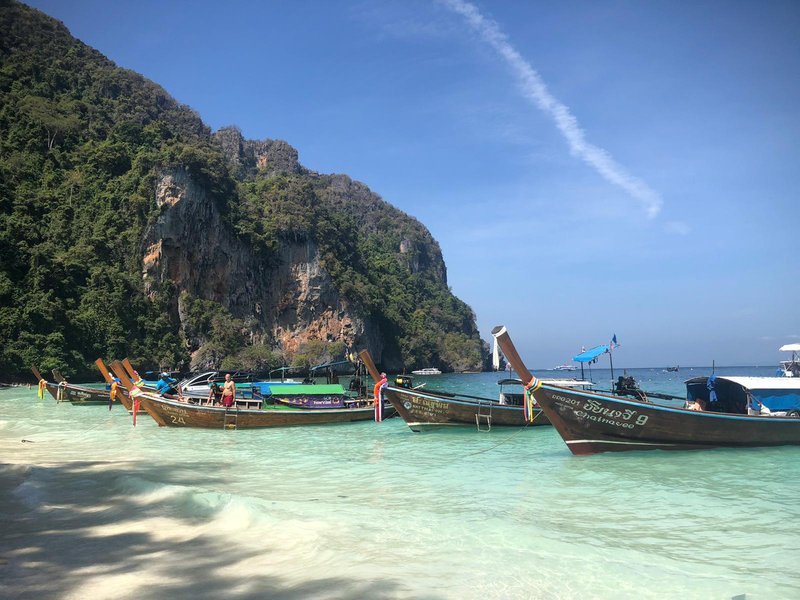
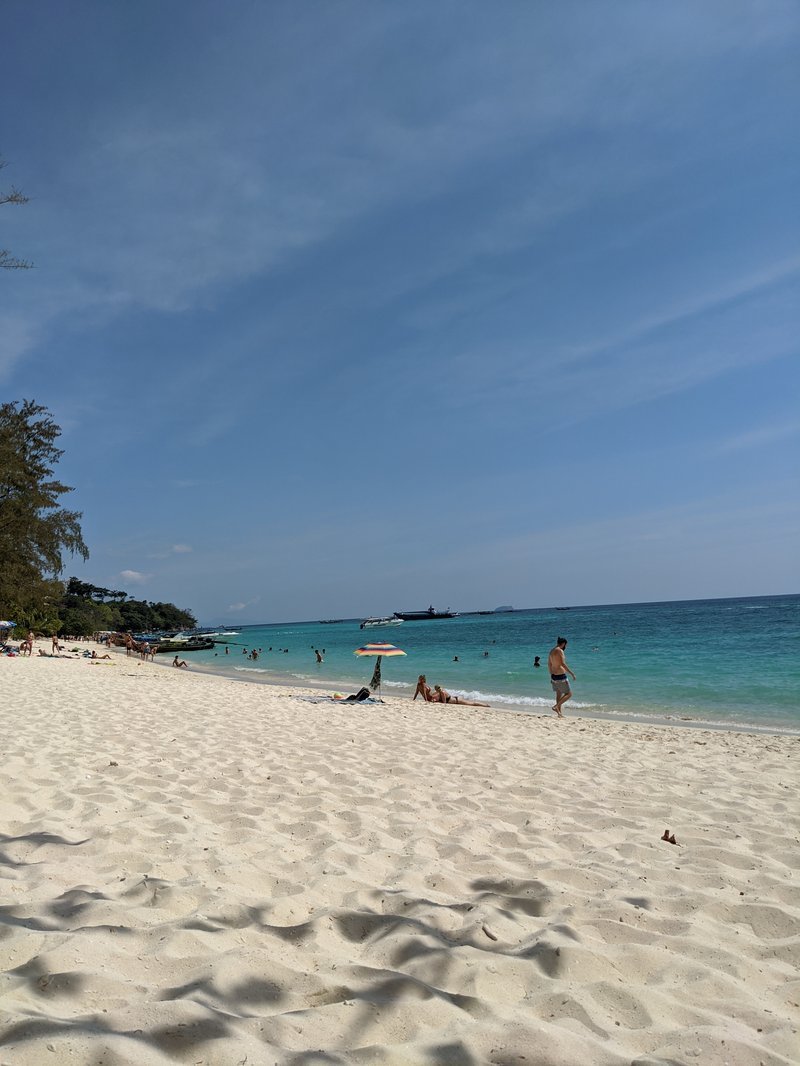
Phi Phi, Maya Bay & the Andaman Sea
Precautions and guidelines for sailing the southern islands:
- Current rules at Maya Bay: boats dock at Loh Samah Bay and you reach the beach on a raised boardwalk. Swimming in the cove isn't allowed (you can only wade up to your shins) so the marine ecosystem isn't damaged.
- Annual ecological break: the national park usually closes Maya Bay to visitors between August and September so it can recover. Check the dates if your trip falls in that window.
- Watch out for jellyfish: at the height of the summer season (December and January), currents can bring jellyfish to parts of Krabi and Phi Phi. Ask your boatman before diving into open coves.
Bangkok: street masters, temples and consistency
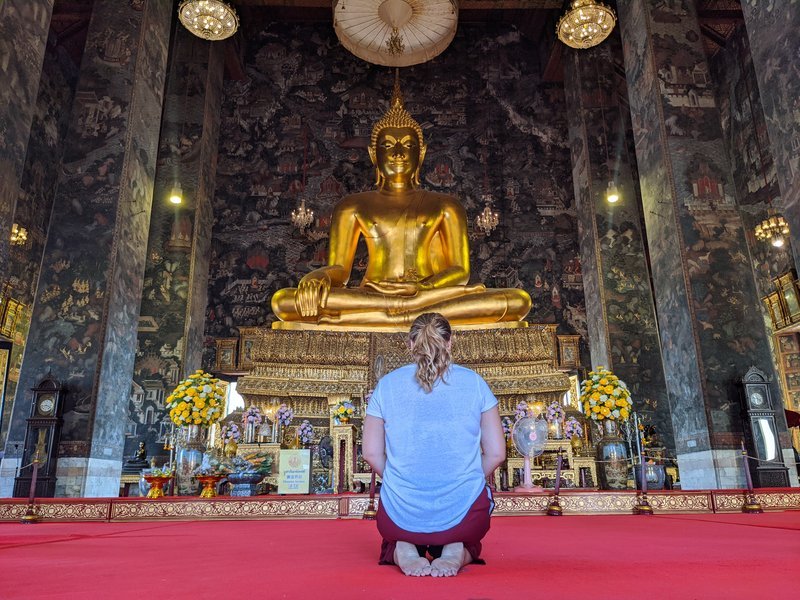
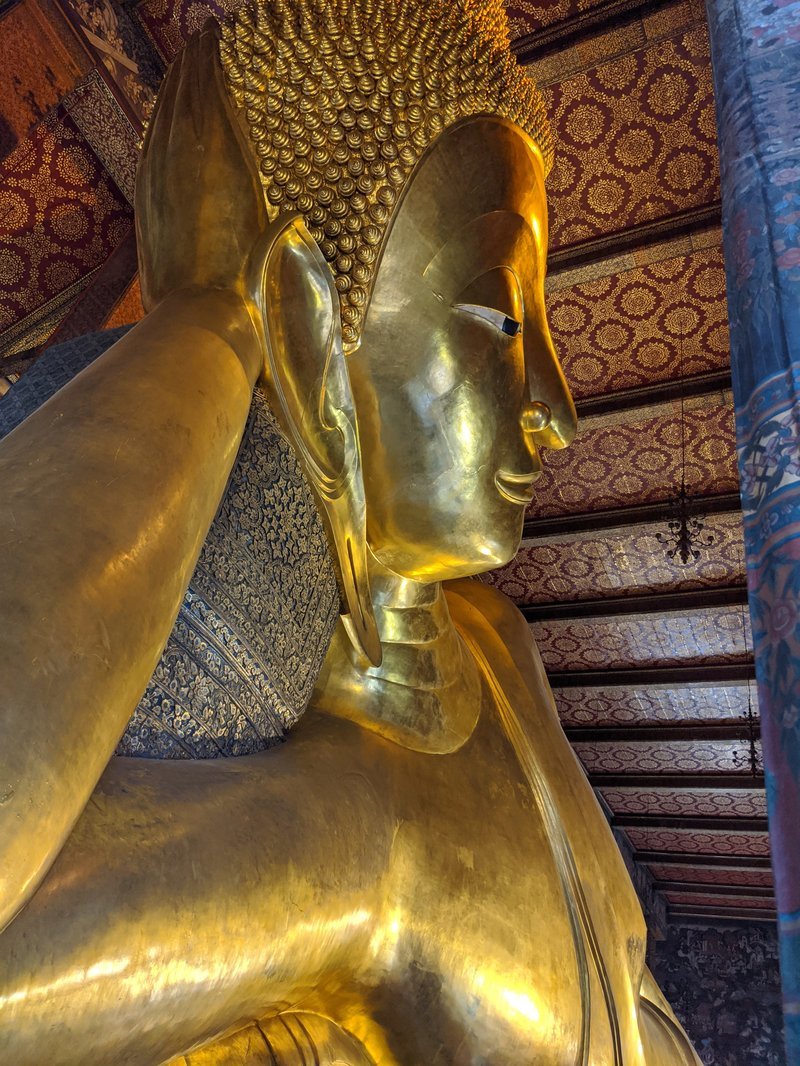
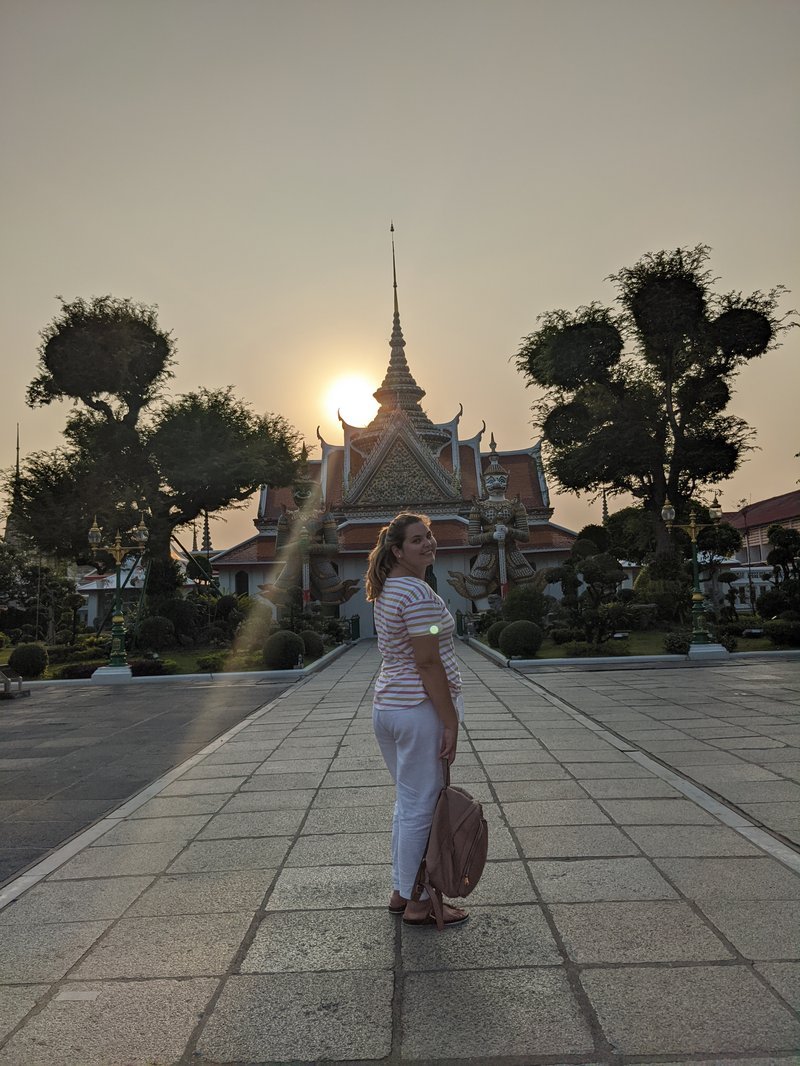
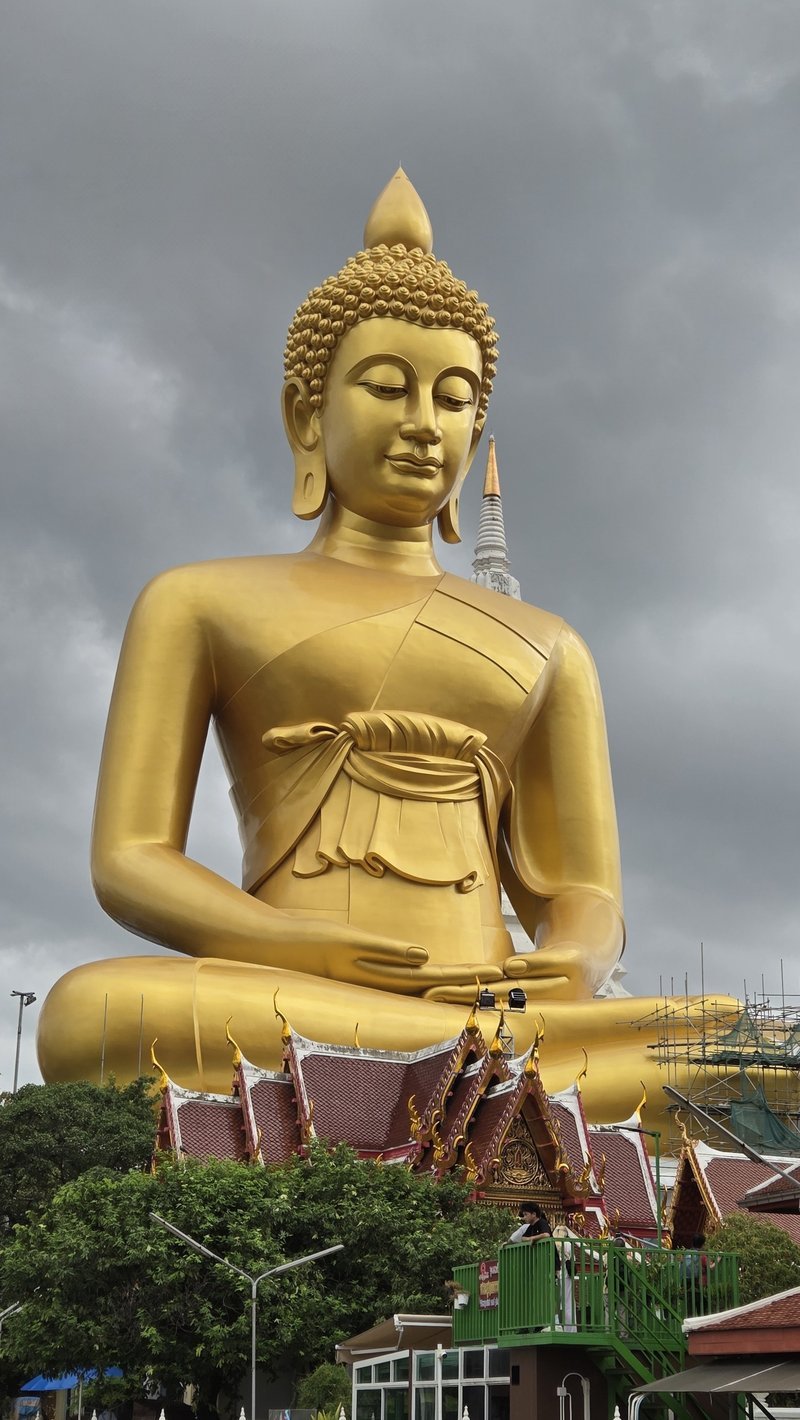
The Thai capital stuns you with the contrast between the sacred and fast-paced city life. Walking through the monumental temples brings a deep sense of calm: the serene grandeur of the forty-six-meter Reclining Buddha at Wat Pho, the porcelain mosaics of Wat Arun reflecting the golden late-afternoon light over the Chao Phraya River, and the huge presence of the Golden Buddha at Wat Paknam, which seems to hug the city from above.
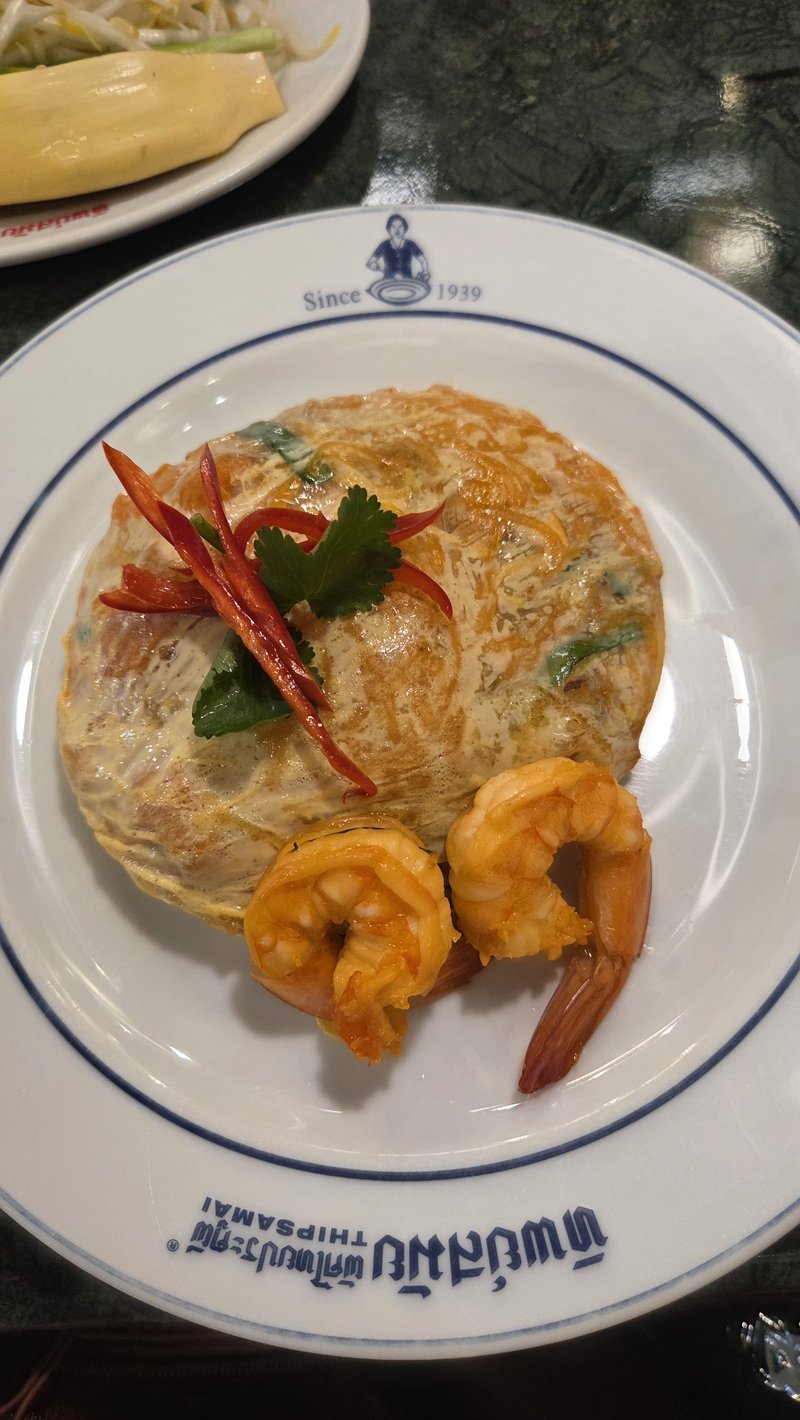
When the heat of the day lets up, Bangkok's sidewalks turn into the biggest open-air restaurant in the world. The classic Thipsamai Padthai Pratoopee keeps its reputation untouched: the wok-tossed noodles come tucked inside a paper-thin golden omelet, with big shrimp and the perfect balance between house-made tamarind and palm sugar.
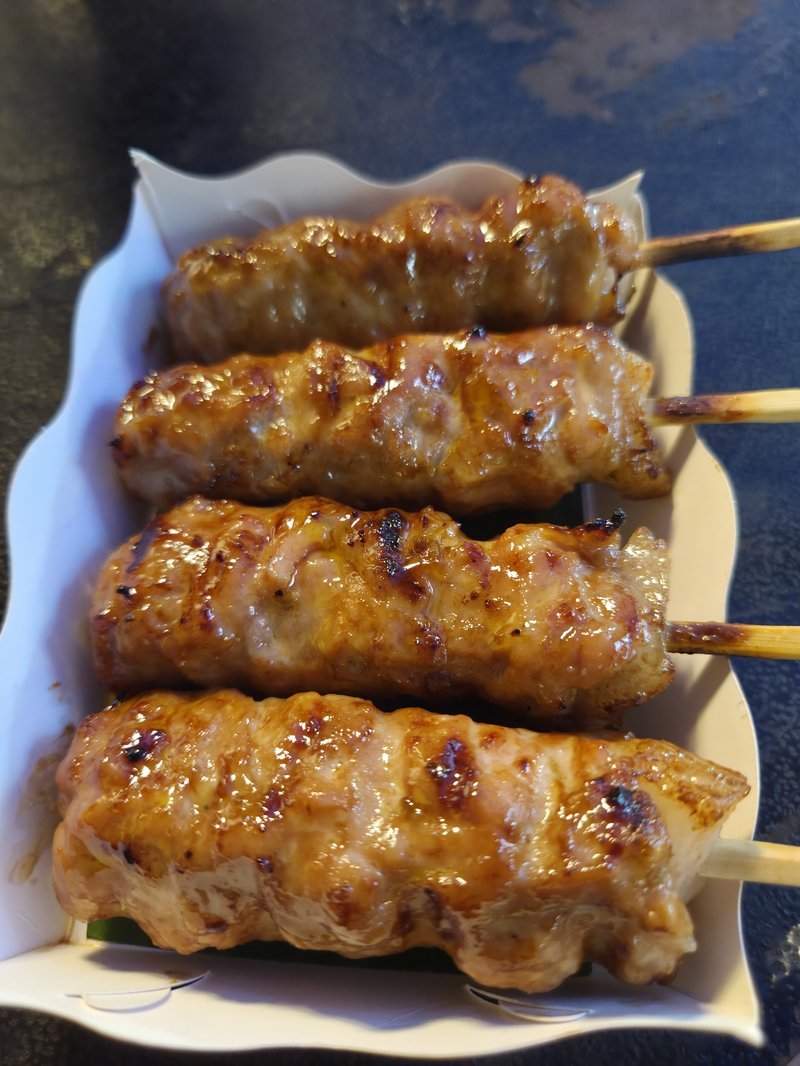
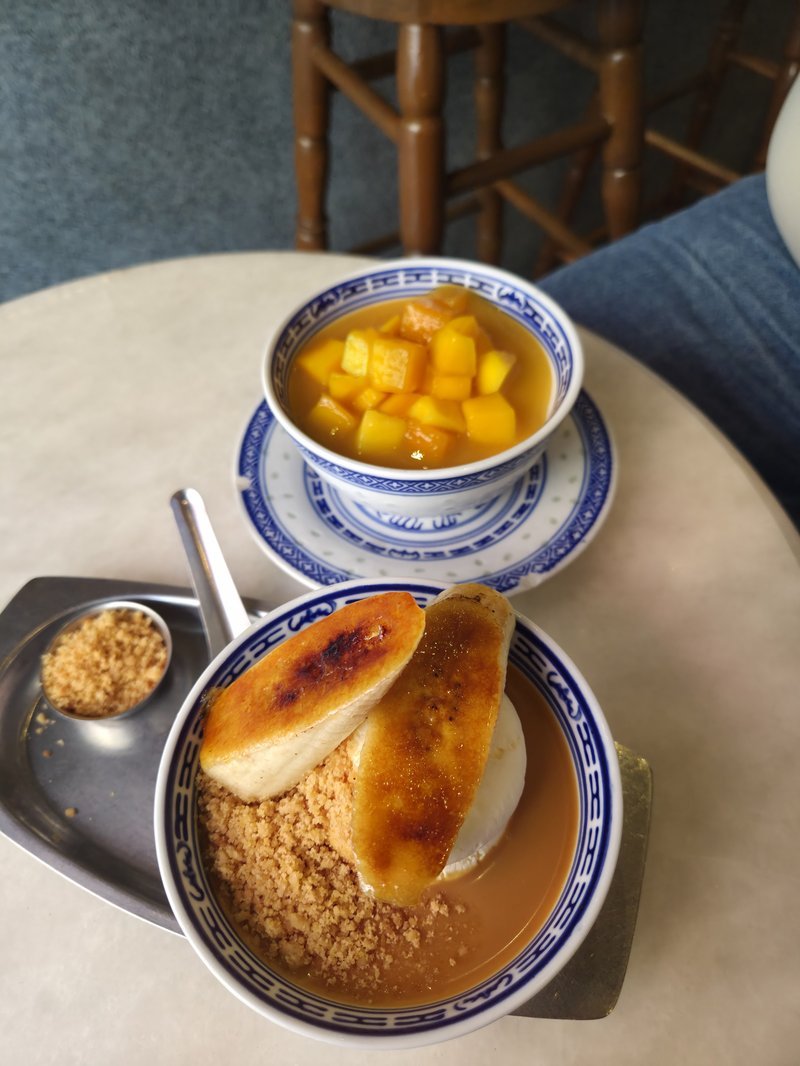
In Chinatown (Yaowarat), the smell of charcoal leads you to stalls like The Siam Grilled Pork, where moo ping skewers caramelize on the grill with coconut milk and fresh garlic. To end the night, the delicate desserts with toasted banana and silky tofu at Ba Hao Tian Mi make any long walk feel better.
Chiang Mai: the old wisdom of fire
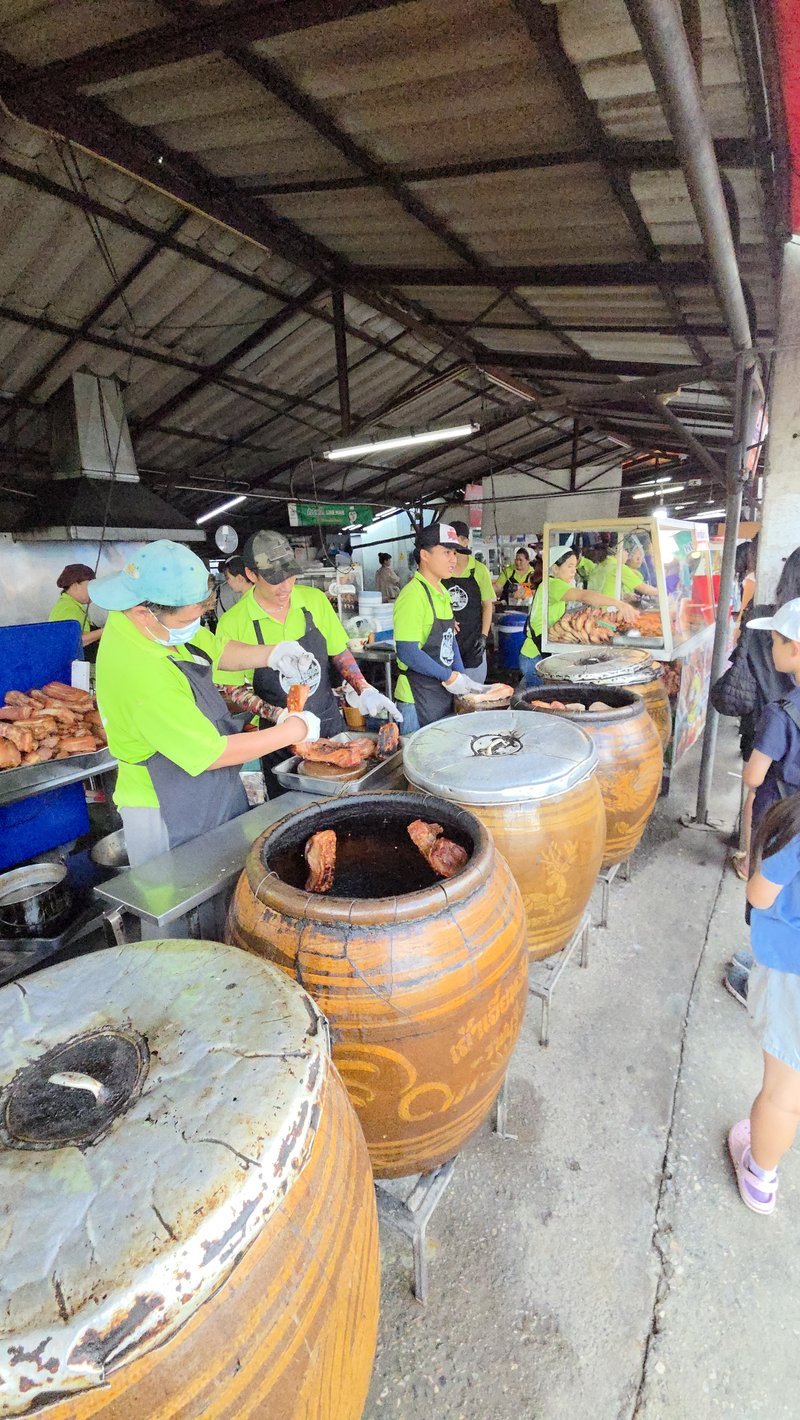
In the north of the country, the cooking turns earthy, full of fresh herbs and slow processes. The high point of the food side of the trip happened at Neng Roasted Pork: whole slabs of pork belly roast hanging in the concentrated heat of big ceramic jars, with charcoal embers at the bottom. The result is a skin that crackles lightly while the inside stays moist and tender, served with a fresh corn and chili salad.
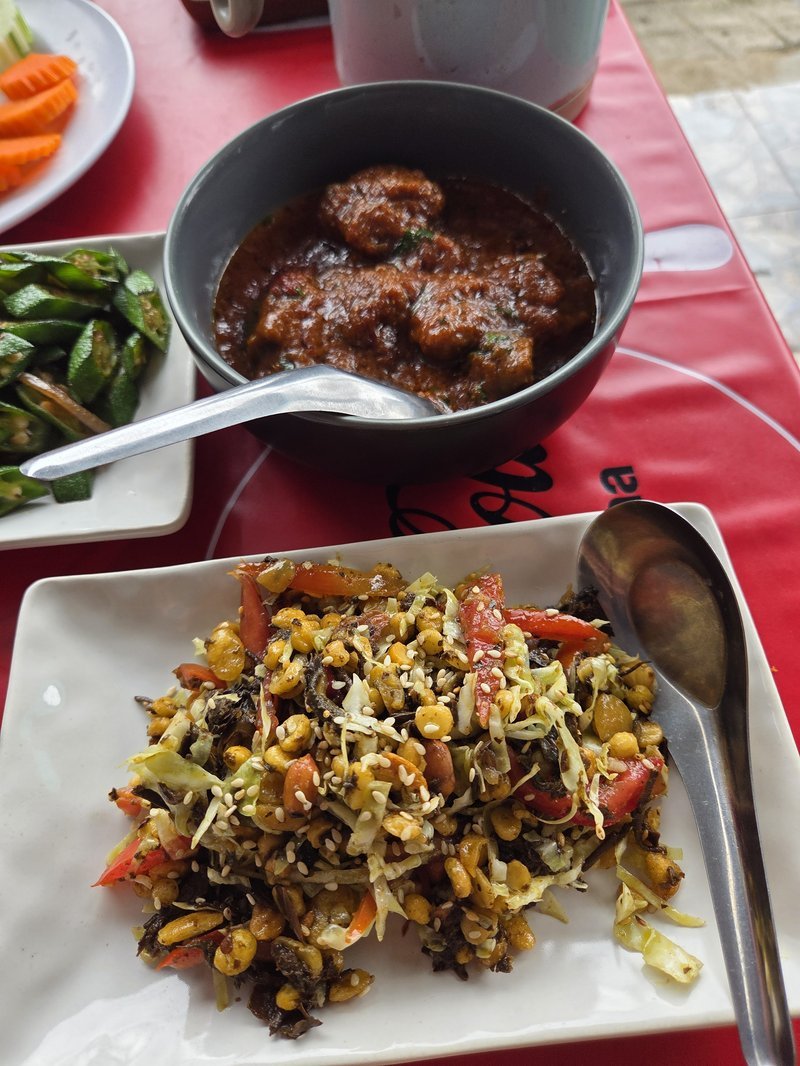
Right nearby, Burmese flavors at Cherry Burmese widened my repertoire: the fermented tea leaf salad (Laphet Thoke) brings crunchy seeds together with deep, citrusy notes in a surprising harmony of greens.
Chiang Mai: specialty coffee, mountains and Lanna temples
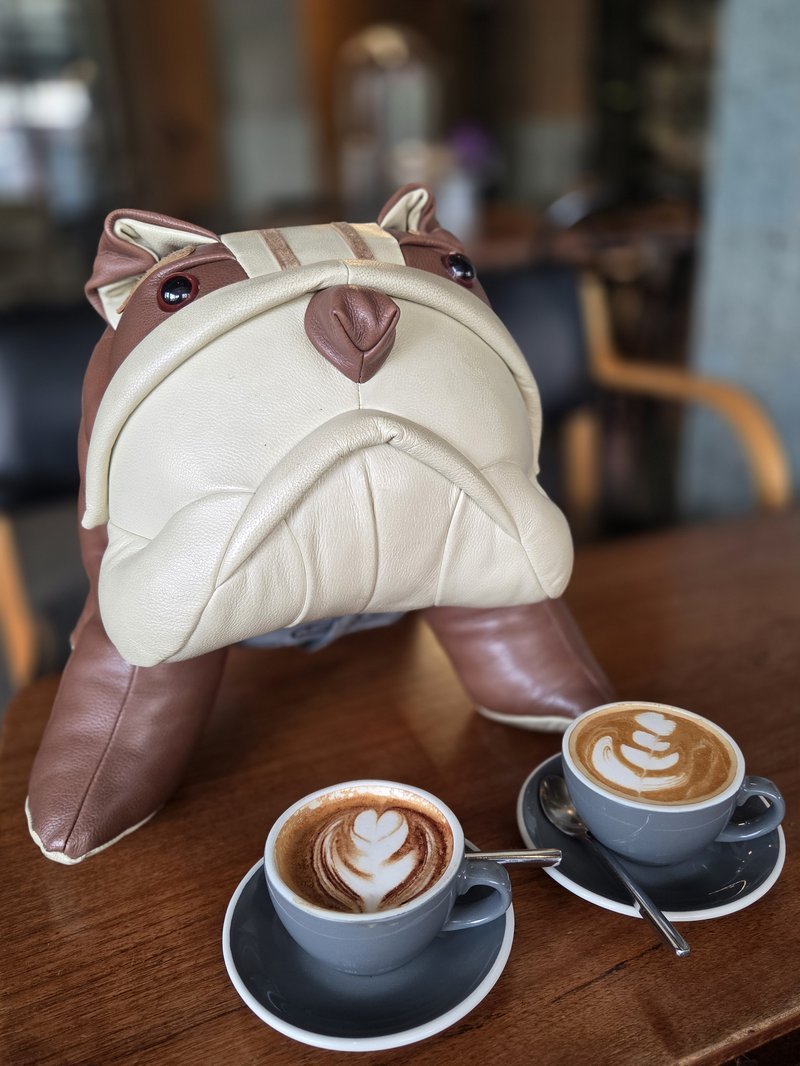
Beyond traditional street food, Chiang Mai has built one of the most charming specialty coffee scenes in Southeast Asia. Close to the plantations in the northern mountains, the city is full of small cafés that roast their own beans, pull careful extractions and have an unpretentious look that invites you to sit down and slow down.
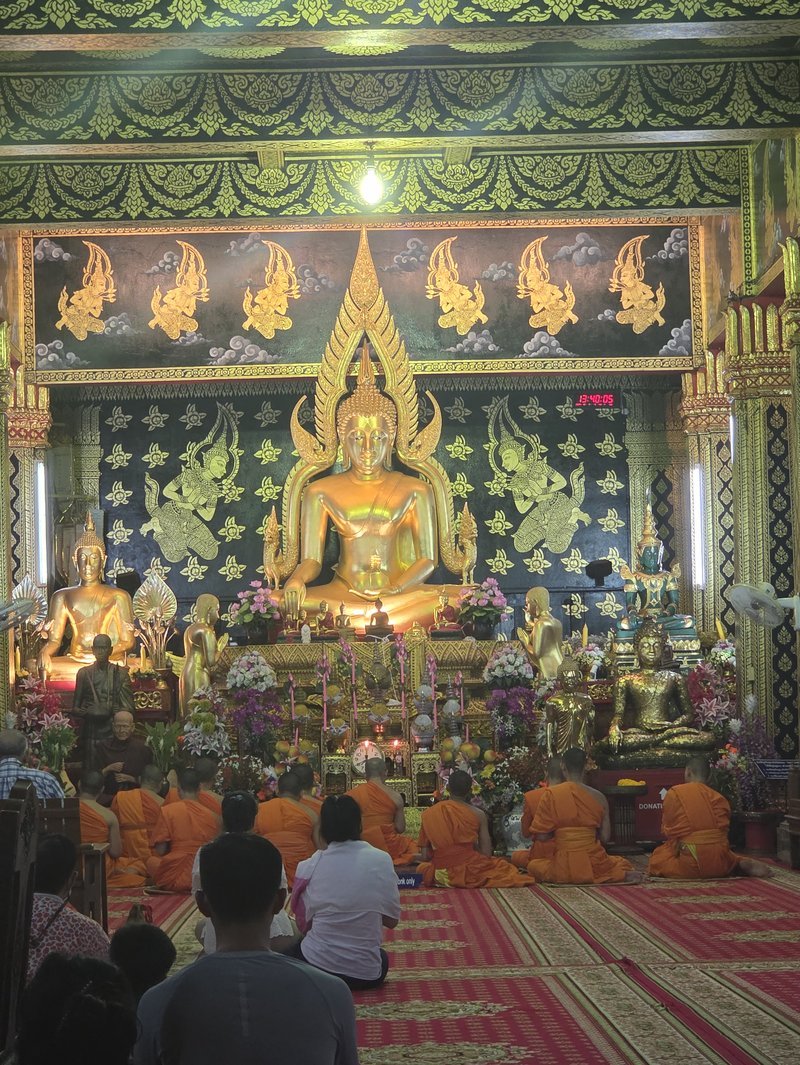
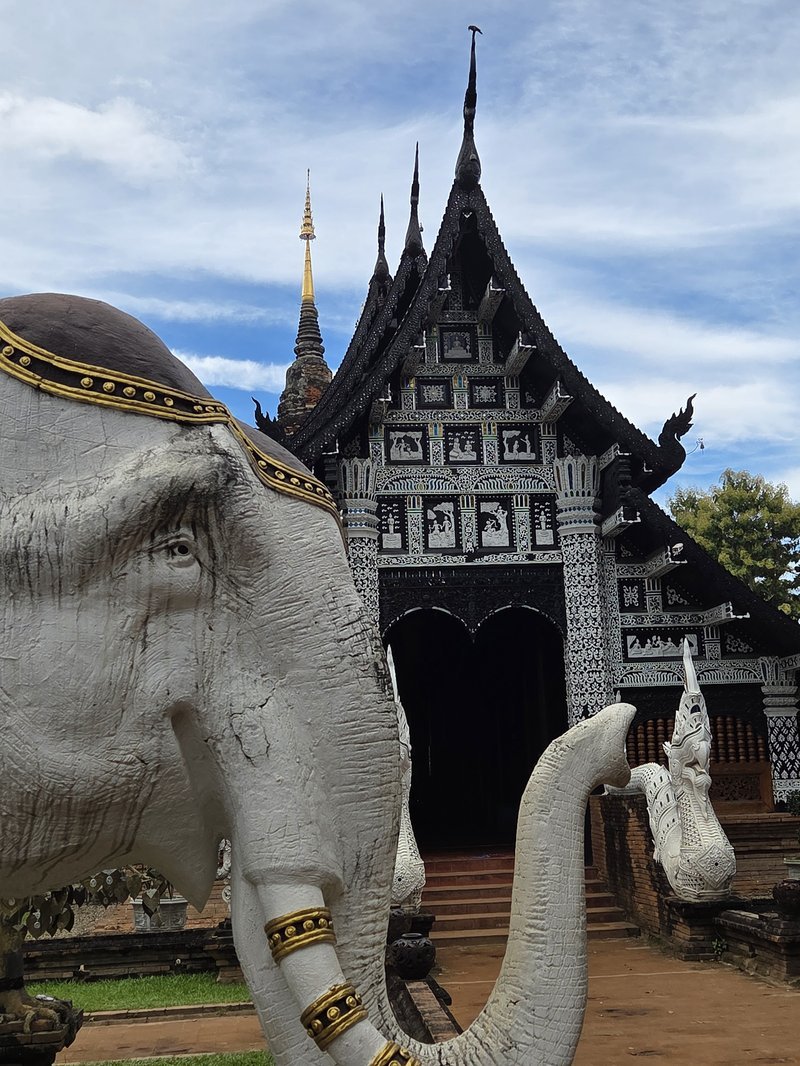
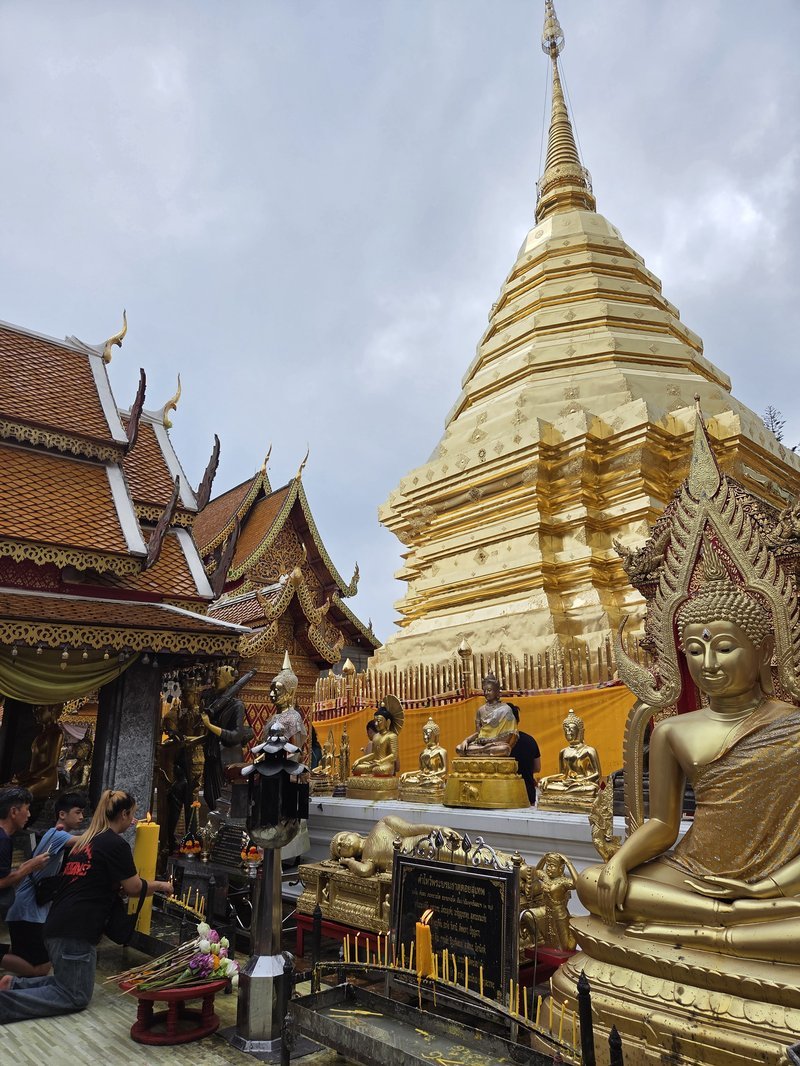
That same reverent calm extends to its Lanna-style temples: Wat Lok Moli, with its dark carved-wood structure guarded by sculptures of sacred elephants, and the imposing Wat Phra That Doi Suthep, gleaming gold at the top of the hill and blessing the whole valley.
The Thai rhythm: from the sizzling wok to the silent temples
Small gestures of courtesy and respect that change the whole experience:
- Respect at the temples: keep your shoulders and knees covered when you visit any religious site. Take your shoes off at the entrance and avoid pointing the soles of your feet toward Buddha statues or monks.
- Balancing the chili: the local food is intense. If your palate is sensitive to heat, ask for "mai phet" (no chili) or "phet nit noi" (a little chili) when you order at the stalls.
- Water and ice: drink bottled water. In big cities and at established stalls, the cylinder-shaped ice with a hole in the middle is factory-made and safe for cooling juices and iced teas.
 Food Like a Hug