I spent 45 days in Vietnam. I came in through the South, worked my way up to the North and lived a little of everything: two weeks of monsoon in Hanoi, a bout of food poisoning that ended with an IV drip, a motorbike ballet that defies physics and the best bún chả that has ever touched my mouth. In the Western imagination, most people have only heard about the war, but what I found there was the biggest lesson in resilience, warmth and hospitality that Asia has given me.
Less is more: the 15-day trap
If you only have two weeks of vacation, don't try to cross Vietnam end to end. The country is long, narrow and intense. Trying to see everything in 15 days will just leave you exhausted in airports and hotel lobbies.
If time is short, pick the center and north: spend your days between the calm of Hội An and the soul of Hanoi. The South is fascinating, but the deepest cultural and food riches of the road live from the middle up.
- Visa: as a Brazilian, I needed a 90-day electronic e-Visa (USD 25 for single entry or USD 50 for multiple), issued on the government portal before boarding. Requirements vary by passport, so check yours.
- Onward ticket: I entered with a one-way ticket and had no trouble at immigration, but standard advice is to carry proof of onward travel to avoid friction at check-in.
1. Sài Gòn and the chaotic ballet of the South
We landed in Ho Chi Minh City (forever Sài Gòn) from Bali, in the middle of July. The first blow was physical: a humid, heavy heat you can almost chew. The second was visual: a city that reminded me of São Paulo, chaotic and somehow in harmony.
Thousands of electric motorbikes cross every intersection in every direction. There are almost no traffic lights, yet nobody crashes, nobody honks in anger, and the traffic flows like a school of fish in perfect sync. To cross the street, the golden rule is simple: take the first step, keep a steady pace and never step back, because the stream of bikes will flow around you with surgical precision.
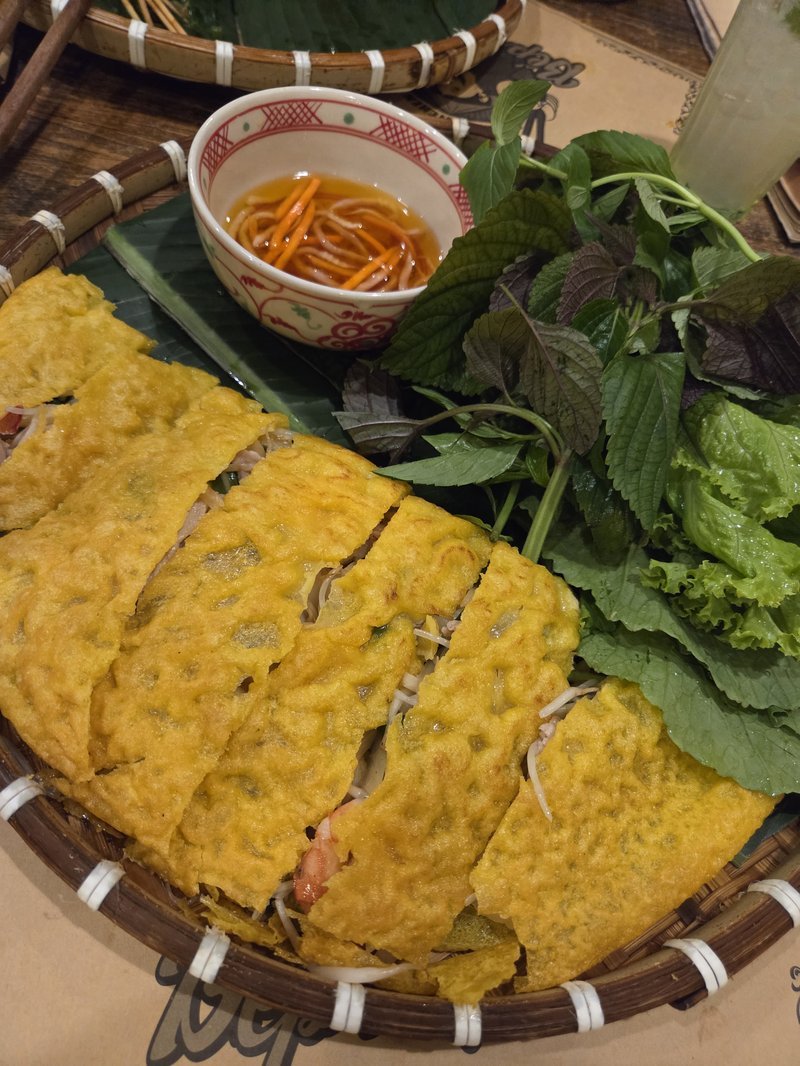
Walk into any doorway or shop in Vietnam and the first thing that happens is a little cup of fresh jasmine tea lands in your hand. It's the country's welcome hug. It was there in the South that I fell for bánh xèo: that golden, crackling crepe you cut, roll up in rice paper with a mountain of fresh local herbs and dip in a sweet and sour chili sauce, hitting that classic contrast between the crunch, the fat from the griddle and the green freshness.
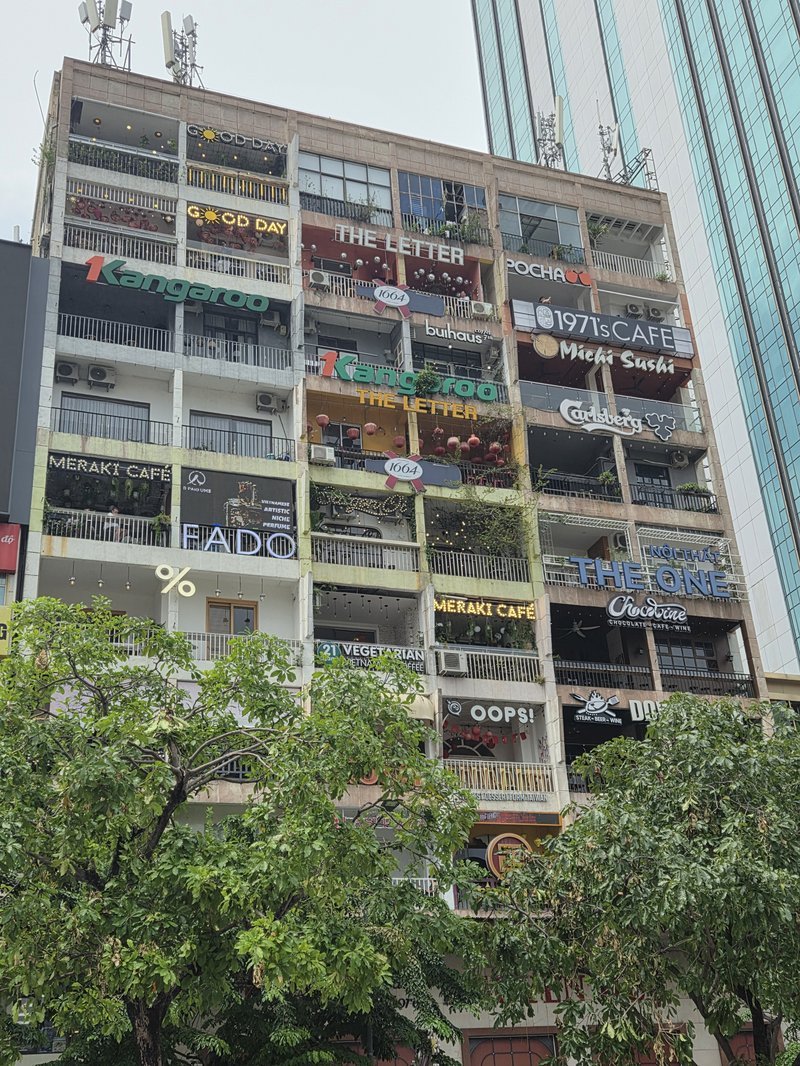
Climbing the nine floors of a 1960s apartment building, The Cafe Apartments, and seeing every unit turned into an independent café overlooking the avenue was proof that young Vietnamese know how to create charm like nobody else.
2. The War Museum and the strength of women
I hesitated for days before setting foot in the War Remnants Museum. I knew the energy would be heavy, and I'd turned down invasive tours like the Củ Chi tunnels out of plain respect for my own emotional limits.
The museum is a punch in the gut. It shows human cruelty without filters. I left wrecked, but at the same time overwhelmed by an admiration I can't put into words. How does a people go through that much pain and rebuild an entire nation with such dignity in so little time?
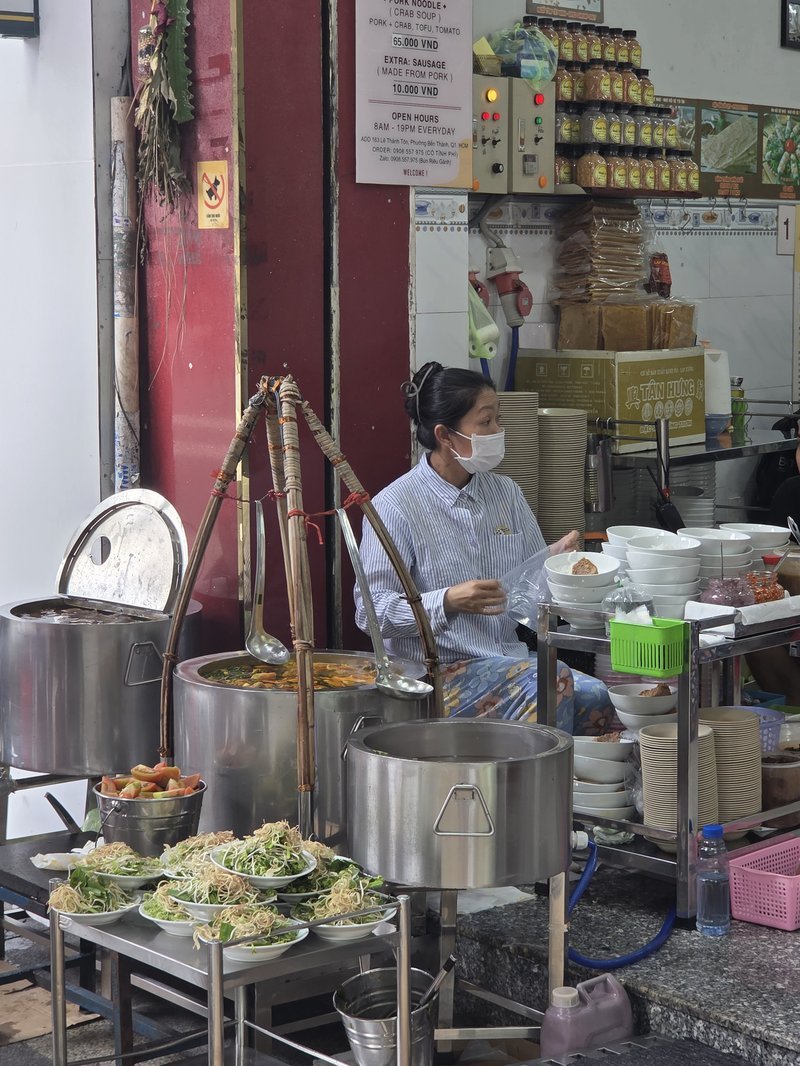
That's where I started to understand the enormous strength of Vietnamese women. They were the ones who held families together, built up the markets and kept the country standing after the war. That quiet resilience isn't in the foreigners' history books; it's in the calm gaze of every older woman running a charcoal grill on the sidewalk.
3. Nha Trang: the 5 a.m. wake-up and the hospital lesson
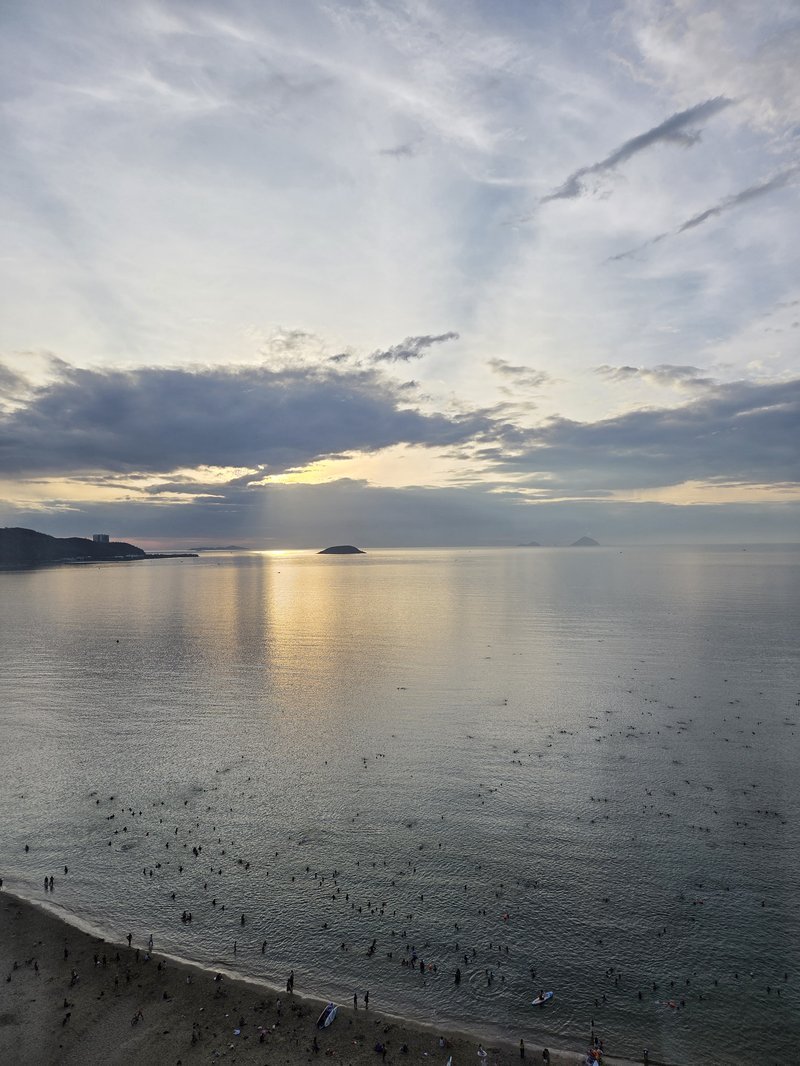
We flew to Nha Trang to celebrate my husband's birthday at a beautiful hotel by the sea. The city has a fascinating relationship with the ocean: the Vietnamese get up at 5 a.m. to run on the sand, swim and exercise. By 8:30, when the sun bites, the beach empties out completely. Nobody stays roasting in the sun. They go home, go to work, and the waterfront only comes back to life in the late afternoon.
But the trip made us pay a steep price. On the second day, severe food poisoning knocked us both down. Six days in bed, fever and a necessary trip to the hospital for an IV drip and heavy medication.
Travel insurance is not optional
Never, under any circumstances, travel to Southeast Asia without international health insurance. When food poisoning hits or your body needs a hospital, insurance isn't an expense: it's your physical and financial sanity.
We use and recommend SafetyWing Nomad Insurance because you can activate it right from your phone, it covers you worldwide and the support is quick and free of red tape.
Getting around, trains and the Da Nang trap
- Flights vs. trains and sleeper buses: I did the longer stretches by plane, for speed, booking connections on Trip.com. But if you have time and want to save money, the overnight train (Reunification Express) and the sleeper buses are comfortable, clean options and a classic way to dive in.
- The Dragon Bridge trap: in Da Nang, everyone talks about the weekend show where the bridge breathes fire and sprays water. My honest take: skip it. Getting there and back is chaotic traffic, the crowd is suffocating and the show lasts five minutes. It's not worth the hassle.
- Spending with intention: Da Nang is gentrifying fast. As travelers, it's worth making conscious choices: spend your money at independent cafés and small family businesses, and skip the Western chains that wipe out the local soul.
- Survival internet: in Vietnamese traffic, having a map in your hand is mandatory. Install an Airalo eSIM before you land so you step off the plane connected and can call your Grab at the airport without a headache.
4. Hội An: nine days in a family home
While most people do a quick day trip from Da Nang, we decided to spend nine full days in a family guesthouse. The family lived on the ground floor; the rooms were upstairs.
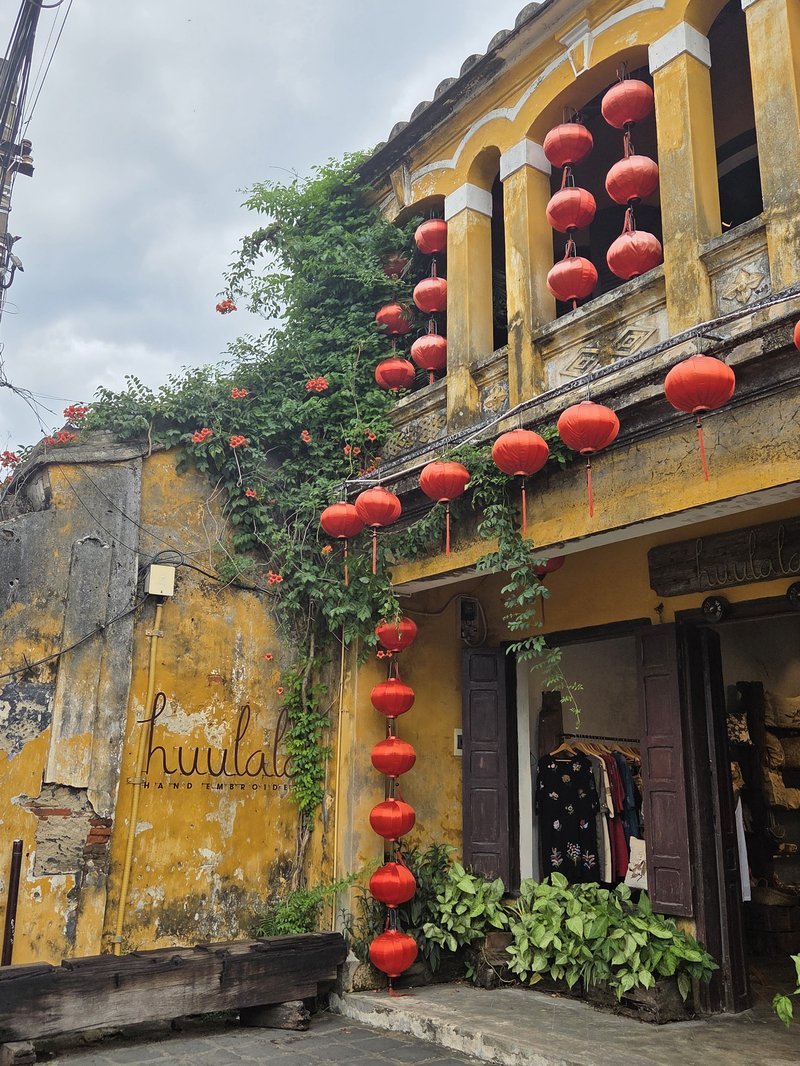
Hội An is a World Heritage Site and looks like something out of an old tale, with its yellow walls worn by time, silk lanterns and the river that wraps around town. We rented a little motorbike to roam freely through the fishing villages and out to the terracotta museum, but the heart of the town beat strongest at the table.
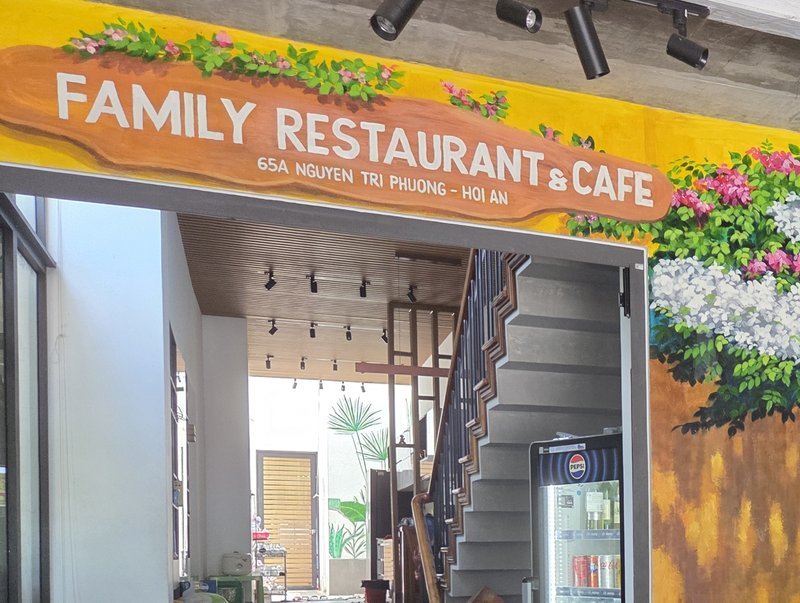
That's where we had one of the most moving experiences of the trip: the Family Restaurant. A place that runs, quite literally, on a family's porch and in their kitchen. While the mother works the pans with ridiculous talent, her little daughters greet customers with a sweetness that disarms you. The food is fresh, made with love and costs almost nothing.
Another stop you shouldn't miss, and it's free, is the gallery of French photographer Réhahn (Precious Heritage Art Gallery Museum). It's a real lesson in anthropology, bringing together documentary photos and original costumes from Vietnam's 54 ethnic groups. It's worth the visit, and worth buying a postcard at the end to support the preservation of the collection.
Tailor-made clothes in Hội An
Hội An is famous worldwide for clothes made to measure in a record 24 to 48 hours. My advice here is balance: don't haggle aggressively, because their handwork is meticulous and the prices are already very fair by our standards, but don't commit at the first shop you walk into either.
Always research and compare the same things: the fabric (pure linen, silk or cotton), how the inside is finished and the cut. Prices vary a lot from one window to the next for exactly the same piece, so take your time walking around before you decide.
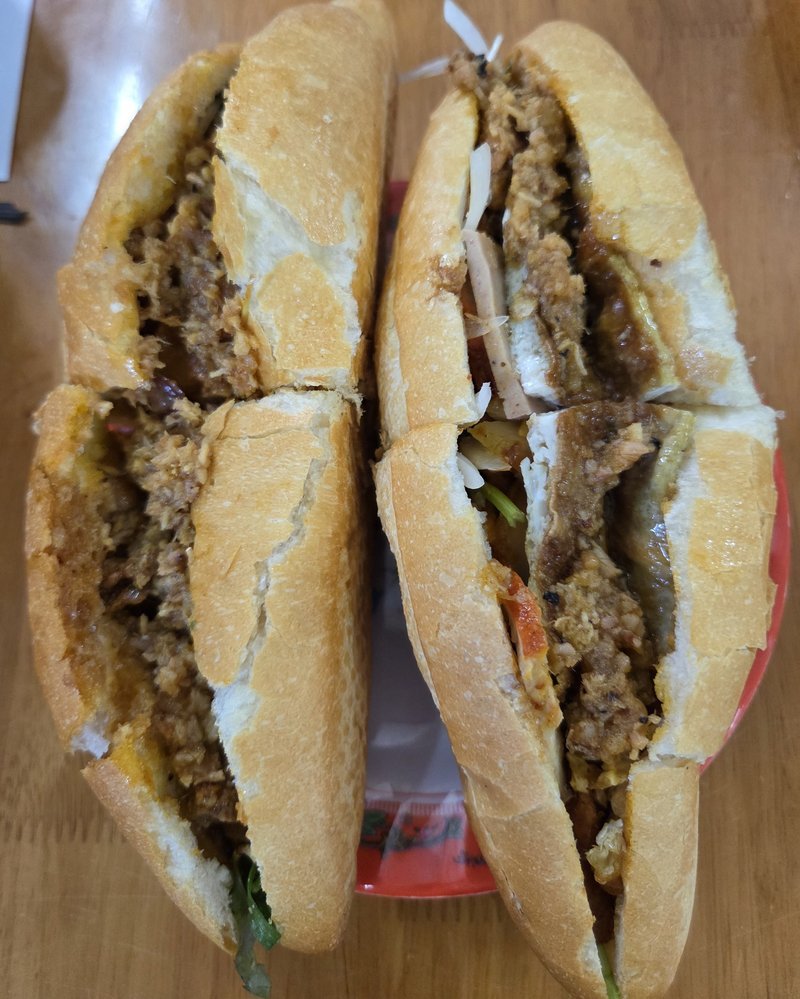
5. Hanoi: the rain that couldn't wash away the love
We arrived in Hanoi under tropical storms. We got almost two weeks of nonstop rain and typhoon warnings that kept us from going up into the mountains of Sa Pa or sailing in Ninh Bình. But you know what? Hanoi was the city that stole my heart more than any other in Vietnam.
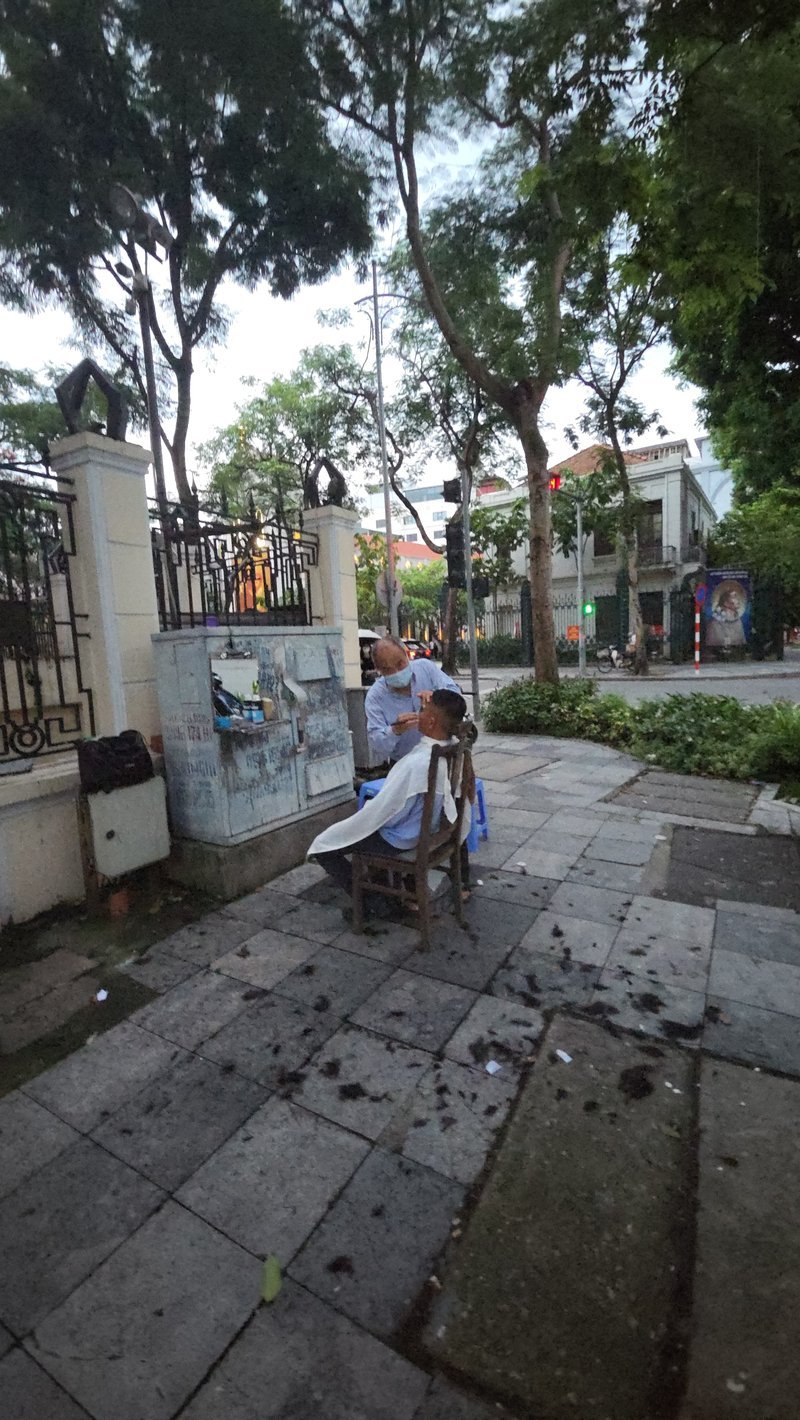
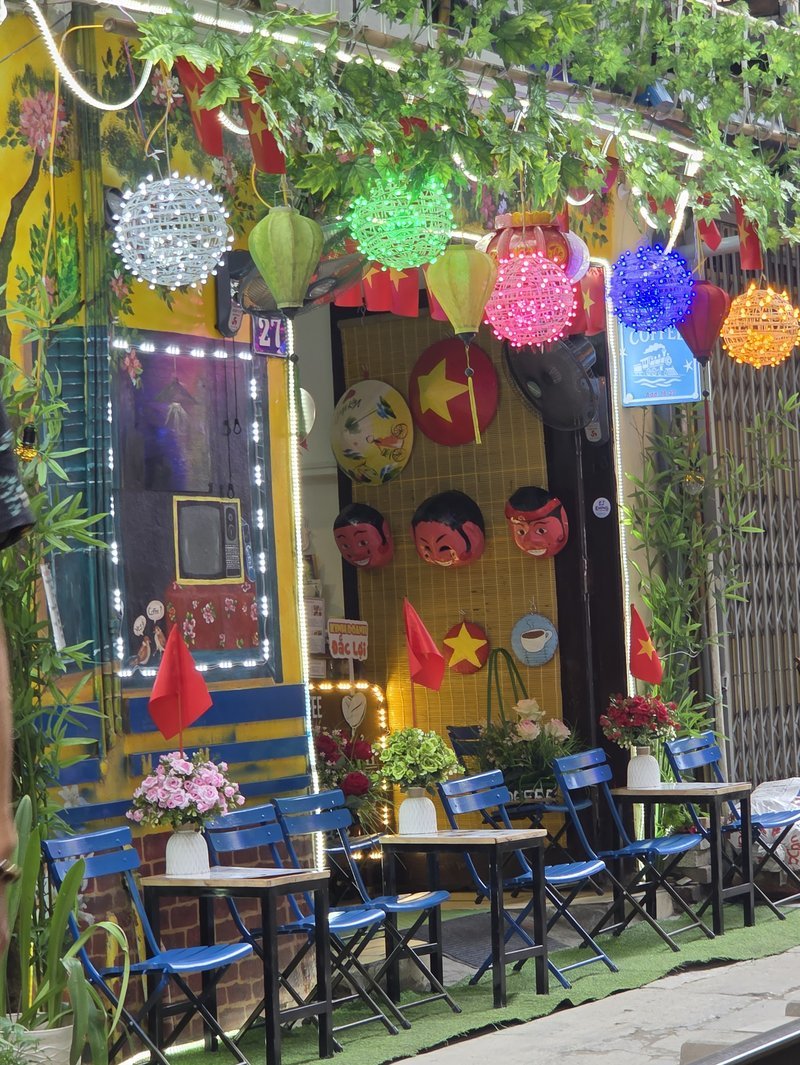
We stayed in an apartment a little far out and walked 40 minutes to the Old Quarter whenever the weather cleared. Hanoi has a poetic rhythm. Life happens on the low sidewalks, among red plastic stools, steaming porcelain bowls and the hiss of charcoal.
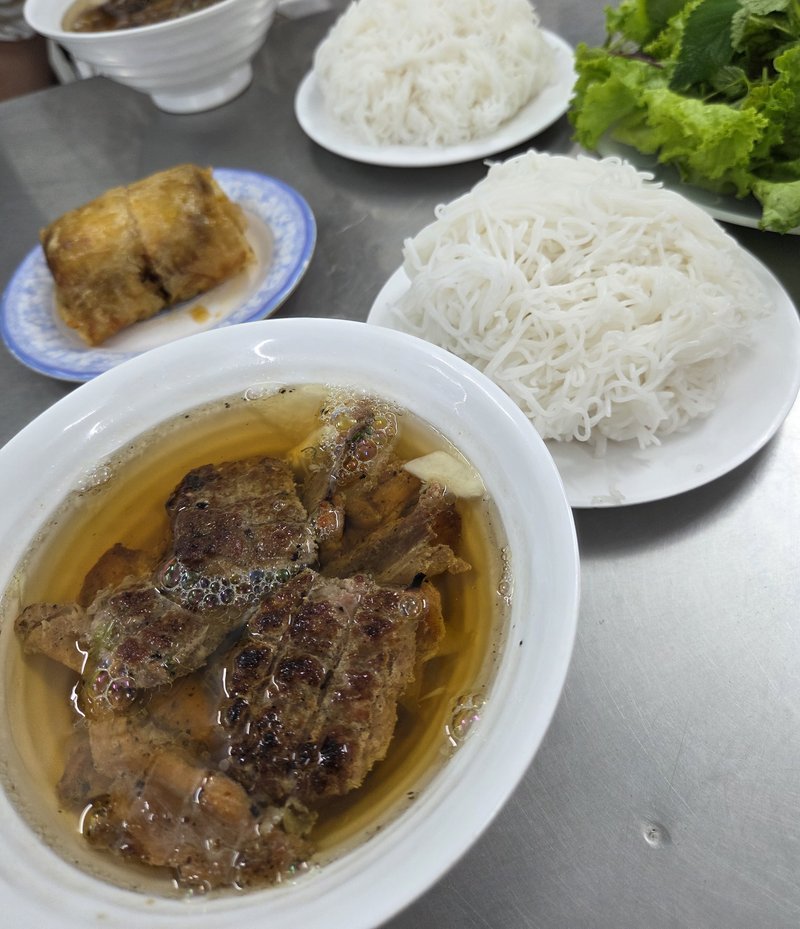
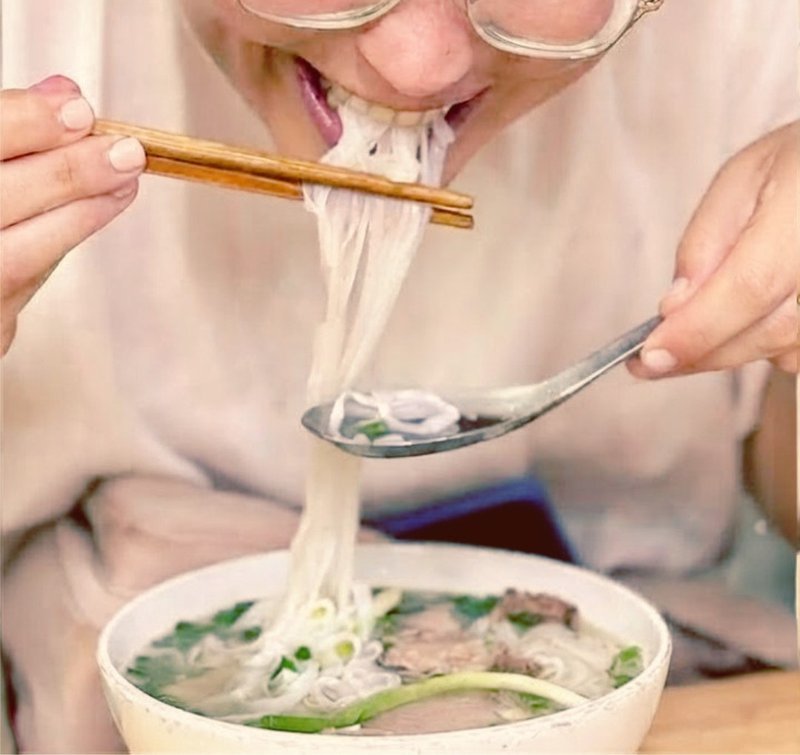
At Bún chả 41 Cửa Đông (Bà Sâm's place) and at Phở Sướng, tucked into a narrow alley, the technique speaks for itself. It's thick charcoal smoke caramelizing the pork belly and the meatballs just right, served in a clear, balanced broth, alongside beef broths built slowly with toasted spices. Street food made by people who have been repeating the same gesture, masterfully, for decades.
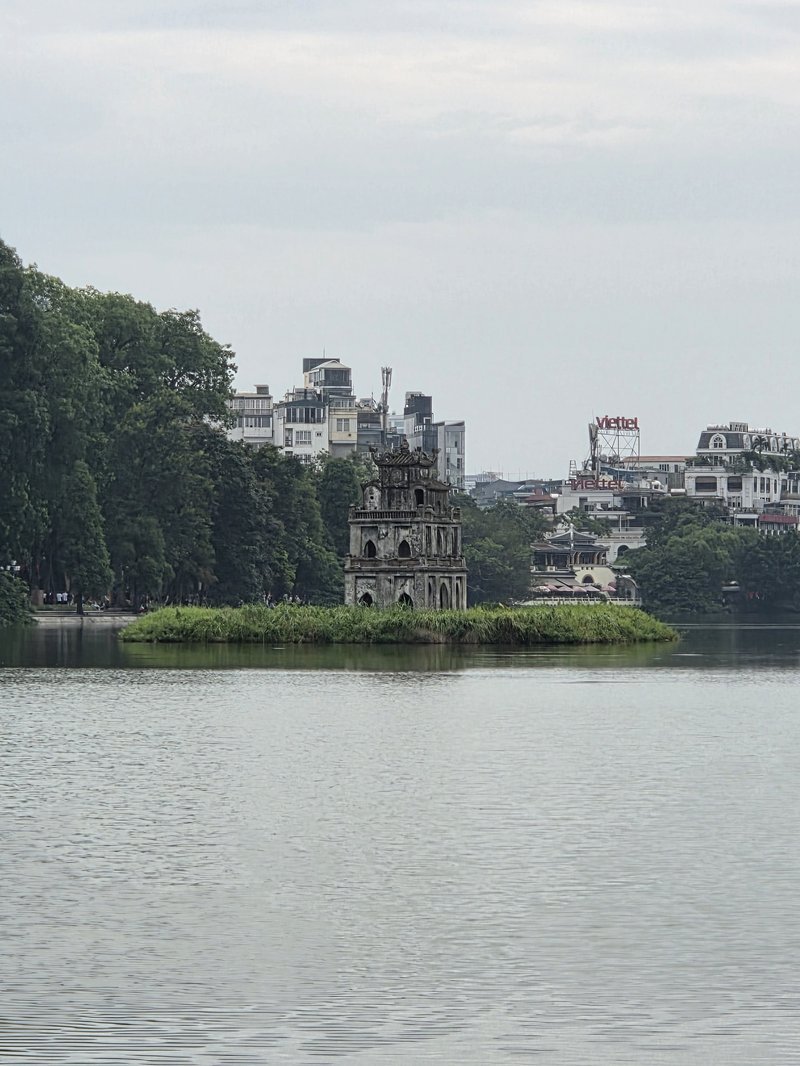
On weekends, the city closes the streets around Hoàn Kiếm Lake to cars, and the whole place turns into a huge family park. Groups of teenagers and kids politely approach tourists to practice their English. I spent more than twenty minutes talking with an eight-year-old boy with brilliant English and a curious eye for Brazil and football.
 Food Like a Hug